Endometriosis
This page is reference information compiled from the cited sources. It is not medical advice. For any decision about health, diagnosis or care, consult a qualified professional.
What it is
Endometriosis is a disease in which tissue similar to the endometrium, the lining of the uterus, grows elsewhere in the body. This tissue most often grows close to the uterus, such as on the ovaries, fallopian tubes, or the lining of the pelvis. It can also appear on the bowel, bladder, and in some cases on the lungs or skin. The disease forms patches called lesions or implants, which can be classified into subtypes. These subtypes include superficial peritoneal endometriosis, deep infiltrating endometriosis, endometriomas, and extrapelvic endometriosis. Endometriosis most commonly affects the ovaries, the fallopian tubes, the outer surface of the uterus, and the tissues that hold the uterus in place.
Key facts
Worldwide, endometriosis affects approximately 10% of the female population of reproductive age, representing nearly 200 million women. Symptoms typically begin in adolescence or the early 20s, and tend to improve after menopause as estrogen levels go down. Common symptoms include pelvic pain, heavy and painful periods, pain with bowel movements, painful urination, painful sex, fatigue, and infertility. On average, it takes 5–12 years from the start of symptoms to receive a diagnosis. While there is no cure for endometriosis, several treatments can improve symptoms, including hormonal treatments, pain medication, and surgery. Genetics is a significant risk factor, with studies attributing half of the risk to genetics and the other half to environmental factors. Individuals who have a first-degree relative with endometriosis have a three- to nine-fold higher risk of developing the condition.
When to seek professional help
A presumed diagnosis can be made based on symptoms and medical imaging. The source associates seeking professional care with the presence of common symptoms such as painful periods, chronic pelvic pain, painful sex, painful urination or bowel movements, heavy menstrual bleeding, and infertility. Professional evaluation is also indicated when symptoms interfere with daily activities, such as school, work, or social activities. The source notes that other causes of similar symptoms include adenomyosis, uterine fibroids, irritable bowel syndrome, and bladder pain syndrome, which require differentiation. Furthermore, the presence of symptoms like cyclical cough, cyclical shoulder pain, or cyclical blood discharge from the lungs during menstruation, which are associated with thoracic endometriosis, are situations mentioned in the source. The source also describes that deep infiltrating endometriosis in the bowel or bladder can cause bowel obstruction and cyclical blood in stool or blood in urine.
Source: Endometriosis (CC BY-SA 4.0 (Wikipedia)), retrieved 2026-09-26.
Latest reporting
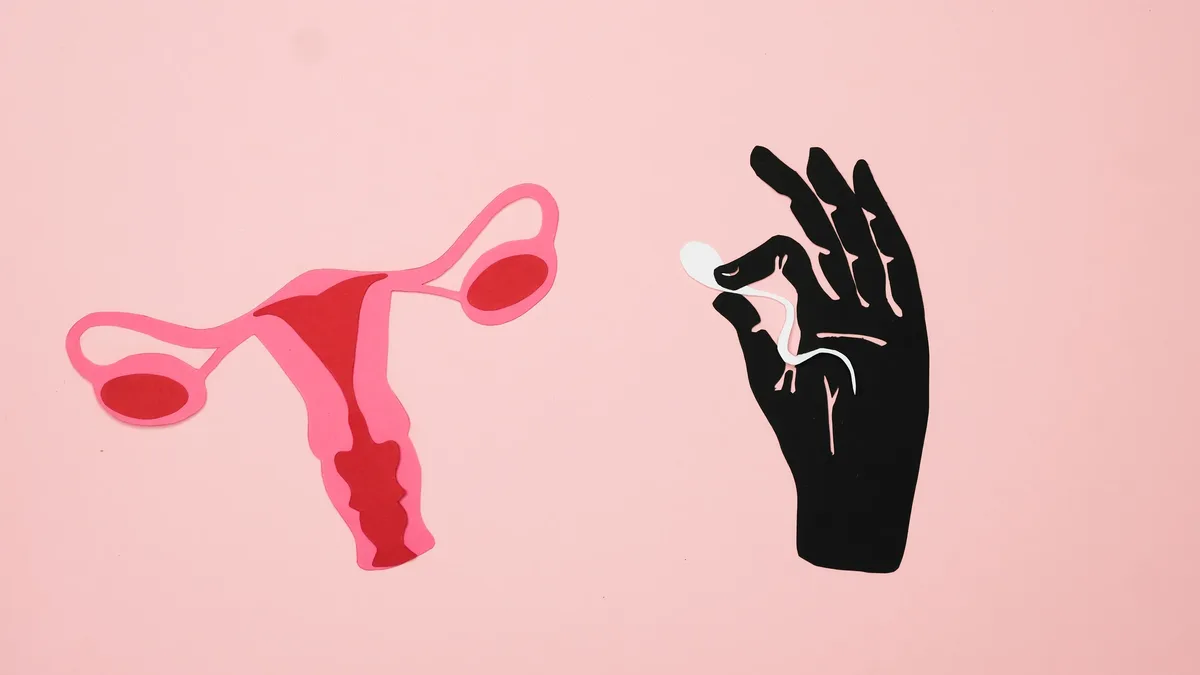
Study questions surgery, hormones for endometriosis pain
New research and patient testimony challenge the standard NHS treatment of surgery and hormonal medication for endometriosis-related chronic pelvic...
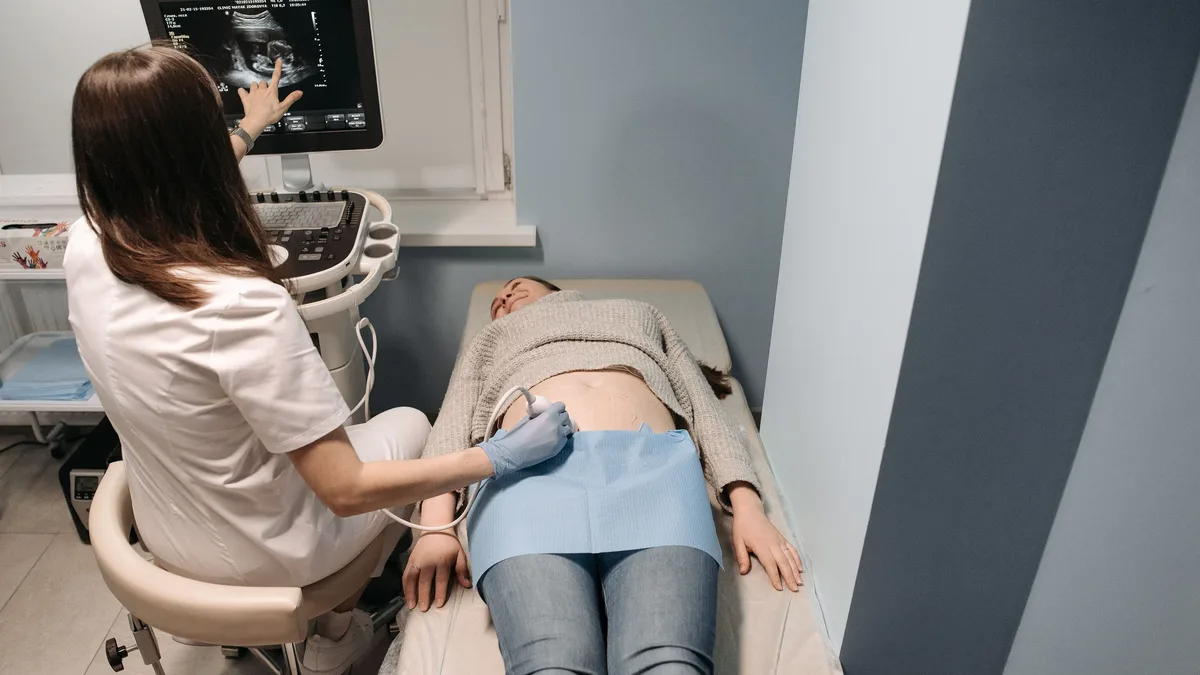
New Endometriosis Tests Aim To Cut Diagnosis Delays
New diagnostic tests for endometriosis are being used abroad, offering hope to shorten the decade-long wait many face for a diagnosis.