Study questions surgery, hormones for endometriosis pain
New research and patient testimony challenge the standard NHS treatment of surgery and hormonal medication for endometriosis-related chronic pelvic pain
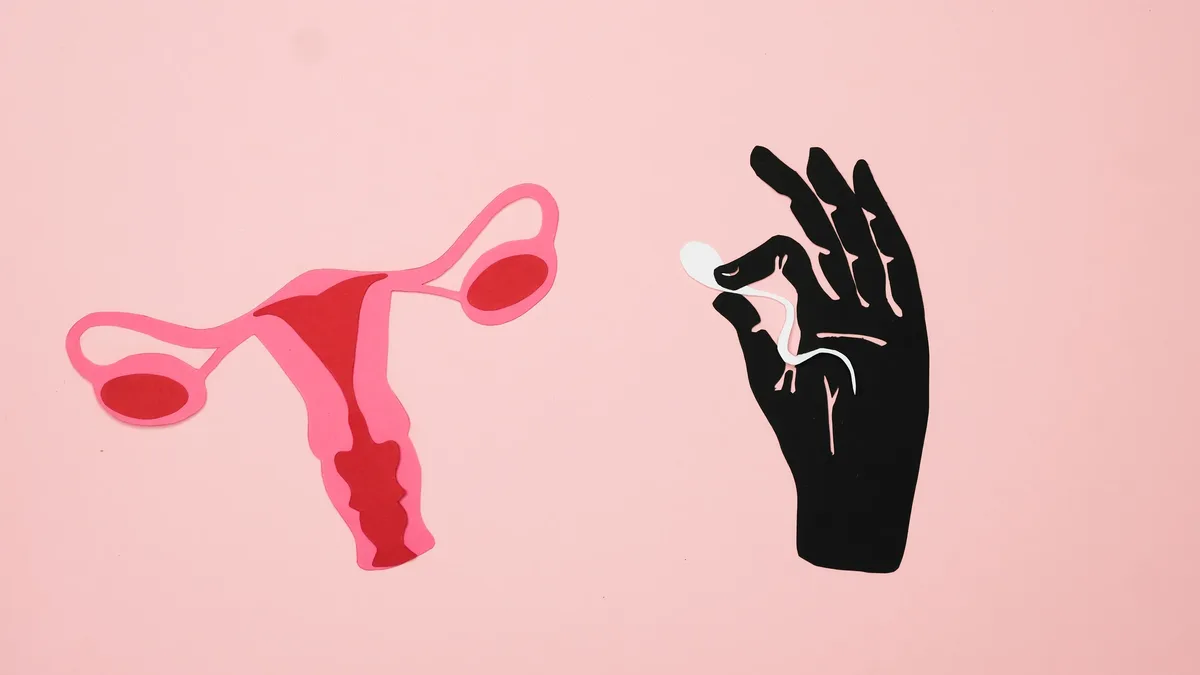
A new study has found that the NHS's standard dual approach of surgery and hormonal medication does not improve quality of life for women with chronic pelvic pain from conditions like endometriosis. The research, involving 147 women aged 18 to 66, indicates that psychological support integrated into treatment yields better outcomes.
Natalie Greenwood, 36, a languages teacher from West Yorkshire, knows the cycle well. She was diagnosed with endometriosis 13 years ago. The condition, where tissue similar to the uterine lining grows outside the womb, causes her chronic pelvic pain, extreme fatigue, and brain fog. Greenwood has undergone three surgeries, at ages 23, 28, and 32.
The limits of standard treatment
Greenwood's first two operations used ablation, where endometriosis is removed with heat or cold. Her last procedure was an excision, where tissue is cut out. "The surgery is effective in that it can keep the pain at bay for a few more years." she said. Between surgeries, she has relied on hormonal treatments like a coil or chemical menopause. "You might feel better for a while but it's always there in the background."
Her experience is reflected in the study's findings. Surgery was associated with lower physical quality of life. The use of painkillers was linked to poorer physical, psychological, and environmental quality of life. Dr Jasmine Hearn of Manchester Metropolitan University, who co-led the research, said patients are often left struggling as current strategies fail to sufficiently alleviate pain.
The case for psychological support
In contrast, women who received psychological help to manage their pain reported a better quality of life. The evidence was so strong that Dr Hearn believes all pelvic pain sufferers should be offered it. "Our findings highlight that women with pelvic pain report poorer quality of life when they've had surgery and hormonal medication for pelvic pain and better quality of life when psychological support is part of treatment," Hearn explained.
Dr Lucy Whitaker, of Wellbeing of Women and the University of Edinburgh, agrees. She notes this recommendation aligns with those from a 2020 parliamentary group and a 2024 national inquiry. "Chronic pelvic pain conditions like endometriosis carry a well-documented psychological burden," Whitaker said. Integrating psychological support reflects a more holistic approach to a long-under-resourced condition.
A patient's pain management toolkit
Even after surgery, Natalie Greenwood depends on what she calls her "pain management toolkit." This includes Tens machines, peppermint teabags, cooling patches, hot-water bottles, and CBD oil. "It's really frustrating to be in this cycle of continuous surgery. It makes you feel helpless," she says, describing herself as "non-functioning most of the time because of the constant fatigue."
Endometriosis is a leading cause of chronic pelvic pain, which affects between 6% and 27% of women globally. Other causes include vulvodynia and bladder pain syndrome. For Greenwood, the standard path is no longer viable. "A life of surgery every five years is just not something you want to do. It's not sustainable," she said.
Looking beyond surgery
Greenwood, who has a five-year-old son and is about to start IVF due to endometriosis-related fertility issues, has made a definitive decision about her future care. "I won't have surgery again," she stated. Whatever the outcome of her fertility treatment, she plans to have a hysterectomy and ovary removal, hoping it may finally bring relief.
An NHS England spokesperson said psychological professionals provide specialist pain-management support as part of physical health services for chronic pelvic pain. Women can also self-refer to NHS talking therapies for support with long-term physical health conditions.