Patient Navigators Boost Postpartum Care Attendance
A new study shows patient navigators dramatically improve postpartum care access and outcomes for low-income pregnant individuals.
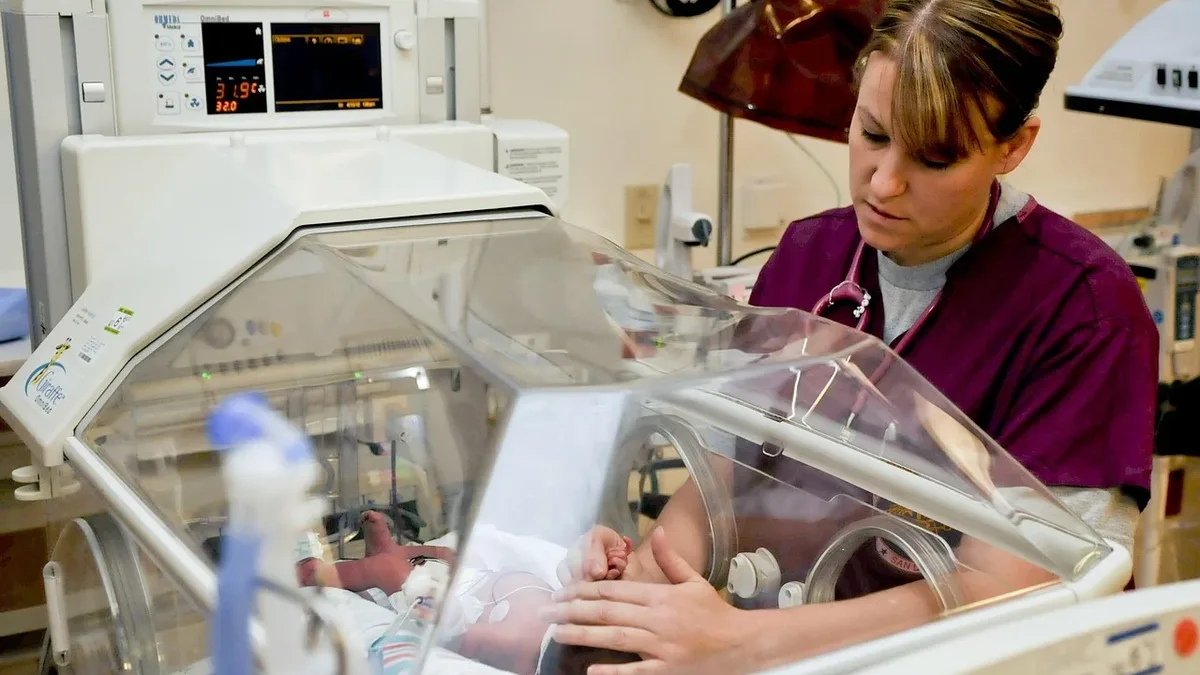
A new study from Northwestern Medicine provides large-scale evidence that patient navigators significantly improve postpartum care outcomes for pregnant individuals, especially in underserved communities. The research, conducted at Prentice Women’s Hospital in Chicago between 2020 and 2024, involved 405 pregnant individuals and paired some with bilingual support staff.
These patient navigators, who spoke both English and Spanish, created personalized postpartum care plans with patients and shared them with the medical team. They scheduled and attended appointments, coordinated social needs like transportation and child care, and communicated directly with doctors and nurses. A key part of their role was improving health literacy, helping patients understand complex medical information and develop the self-efficacy skills needed to manage their own health.
Measurable improvements in postpartum care
Patients supported by navigators showed significantly higher rates of engagement across every measured aspect of postpartum and long-term health compared to those receiving usual care. The improvements were substantial and sustained.
| Care Metric | Patients With Navigators | Usual Care Patients |
|---|---|---|
| Postpartum visit attendance | 96% | 80% |
| Counseling on all needed postpartum topics | 65% | 51% |
| Postpartum depression screening & care | 86% | 72% |
| Primary care visit at one year postpartum | 57% | 30% |
| Using desired family planning method at one year | 65% | 43% |
| Preventive blood pressure testing | 85% | 62% |
| Preventive lipids testing | 28% | 13% |
| Preventive glucose testing | 31% | 16% |
Broader impact and system benefits
Beyond direct patient benefits, the navigators reduced administrative burdens on clinical teams and improved overall care coordination. They handled tasks like rescheduling appointments when patients couldn't attend and ensuring patients followed up on post-appointment tests. This freed up doctors and nurses for other duties. The medical care team reportedly appreciated the navigators' help.
A primary objective was to increase patients' independence. The goal was to build their comfort with the healthcare system so they wouldn't need a navigator in the future. Dr. Lynn Yee, the study's corresponding author and chief of maternal-fetal medicine at Northwestern, explained the need. "Pregnancy and the postpartum periods are complex, and people often deprioritize themselves, particularly if they don't have much support or have complex social needs."
Viridiana Carmona-Barrera, a patient navigator on the study, found deep value in the work. "I like being someone who can help make these processes easier," she said. The authors, including co-author Joseph Feinglass, a research professor at Feinberg, aim to put themselves out of business by building patients' long-term confidence and skills to handle healthcare independently.