Maternal Diet High in Eggs, Peanuts Does Not Cut Infant
A clinical trial found that pregnant and breastfeeding women consuming high amounts of eggs and peanuts did not reduce their baby's risk of developing
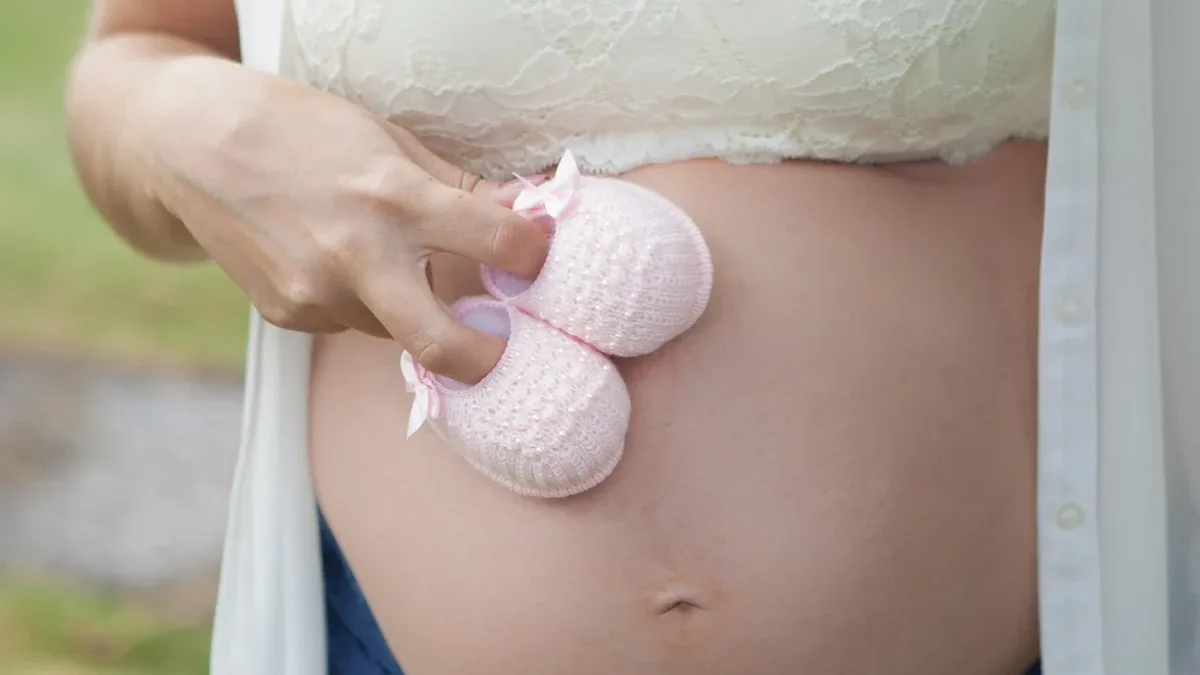
A new clinical trial has found that mothers eating high quantities of eggs and peanuts during pregnancy and breastfeeding does not lower their infant's risk of developing allergies to those foods. The study focused on families with a strong history of allergic disease.
Researchers led by Debra J. Palmer, PhD, of the University of Western Australia, randomized over 2,100 pregnant women to either a high-intake diet or a standard diet. The high-intake group consumed at least six eggs and 60 peanuts per week from before 23 weeks' gestation until four months postpartum. The standard-diet group ate no more than three eggs and 30 peanuts weekly.
No Difference in Allergy Rates
At the infant's one-year check, there was no significant difference in allergy rates between the two groups. The proportion of infants with an immunoglobulin E (IgE)-mediated allergy to egg or peanut was 7.8% in the high-intake group versus 8.4% in the standard-diet group.
The trial's primary outcomes showed no benefit from the maternal dietary intervention. The results were consistent across several measures.
| Outcome Measure | High-Intake Group | Standard-Diet Group | Relative Risk (95% CI) |
|---|---|---|---|
| IgE-mediated egg or peanut allergy (per-protocol) | 5.6% | 6.8% | 0.80 (0.48-1.35) |
| IgE-mediated egg allergy | 6.2% | 7.2% | 0.87 (0.62-1.21) |
| IgE-mediated peanut allergy | 2.6% | 2.6% | 1.02 (0.60-1.76) |
| Medically diagnosed eczema at 12 months | 42.8% | 46.2% | Not provided |
"There were also no indications that higher maternal egg and peanut ingestion reduced (or increased) the risk," the research team reported. The study found no differences in safety outcomes, including serious adverse events or infant anaphylaxis.
Shifting the Focus to Infant Diets
The findings reinforce a major shift in allergy prevention guidance that occurred in recent years. Earlier trials demonstrated that introducing allergenic foods to infants early in life can promote tolerance. This led researchers to question if prevention could start even earlier, during fetal development and breastfeeding.
In an accompanying editorial, Maria C. Jenmalm, PhD, of Linköping University in Sweden, noted that food-allergen immune responses can appear before infants start solid foods. Proteins are encountered in utero and through breast milk. Yet, this trial suggests altering maternal intake during this window is not an effective prevention strategy.
"The trial supports counseling that is permissive rather than prescriptive," Jenmalm wrote. She emphasized the practical message for pregnant and lactating women. Those who tolerate egg and peanut need not avoid them for allergy prevention. Equally, they should not feel pressured to consume high quantities to protect their child.
Study Context and Limitations
The PrEggNut trial enrolled women under 23 weeks' gestation with a singleton pregnancy who planned to breastfeed for at least four months. The participants had no egg or peanut allergies themselves, but the unborn child had to have at least two immediate biological family members with a medically diagnosed allergic condition like asthma, eczema, or food allergy.
One study limitation was a lower-than-expected rate of allergies in the high-risk population. The observed rate was 8%, while researchers had anticipated 16% based on older data. The team noted this may have reduced their ability to detect a small effect, though confidence intervals argued against a clinically important benefit.
Jenmalm suggested the lower rate might be because both trial groups received advice consistent with current allergy prevention guidelines, which stress early infant introduction of foods like egg and peanut. "The trial may have been conducted in a population already benefiting from improved infant-feeding practices," she agreed. Both groups were counseled to introduce egg and peanut within the infant's first year.
The research provides clear guidance for families, particularly those with strong allergic histories who may experience anxiety. The takeaway is to maintain a varied, nutritious diet during pregnancy and lactation according to personal preference and tolerance. The critical prevention step remains the timely and ongoing introduction of allergenic foods into the infant's own diet when developmentally appropriate. Infant eczema rates at four and twelve months showed no significant difference between the maternal diet groups.