CDC Vaccine Recommendations Halted Under Kennedy
The CDC has stopped issuing new vaccine guidance due to legal uncertainty, breaking a 60-year tradition and leaving medical societies to fill the void for
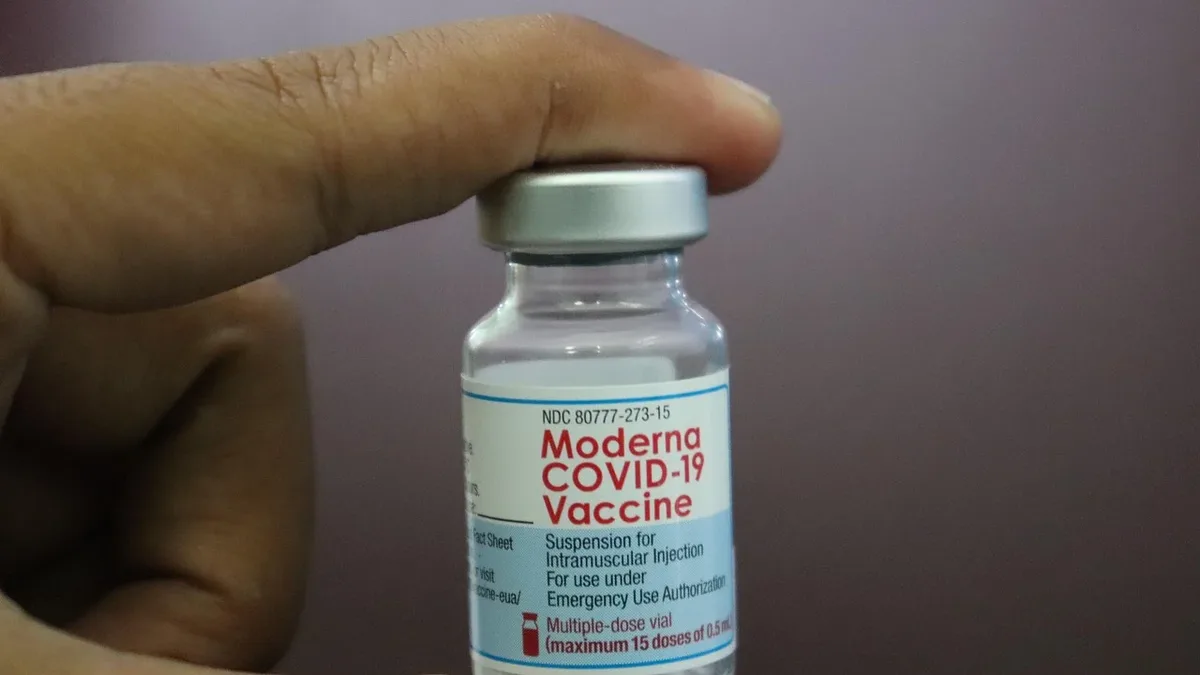
The CDC has halted its vaccine recommendation process due to legal uncertainties, breaking a 60-year tradition. It quietly posted that it will maintain last year's flu vaccine endorsements for the 2026 fall season, excluding the newly FDA-approved mFlusiva mRNA vaccine. This inaction marks a significant departure from the agency's longstanding practice of following guidance from its independent advisory panel, the Advisory Committee on Immunization Practices (ACIP).
Leadership changes derail advisory process
Political appointments have disrupted the federal vaccine advisory system. The Trump administration appointed Health Secretary Robert Kennedy, who dismissed the entire ACIP committee. He replaced it with a panel that included anti-vaccine voices. In March, a federal judge ruled Kennedy likely violated federal procedures. The judge stopped his panel from holding further meetings and suspended his decision to reduce vaccines recommended for children, including a move to cut HPV doses to one.
Kennedy had ordered that HPV doses be reduced to one as part of a contraction of the childhood vaccination schedule. His actions derailed ACIP's ongoing work to reassess HPV vaccine dosing. The judge's order suspended that specific decision.
Medical groups step in amid federal inaction
With CDC guidance stalled, medical societies and insurers are making independent vaccine recommendations. These groups are debating medical evidence privately and issuing their own guidance. The trade association for private health insurers, America's Health Insurance Plans, decided to follow the medical societies' choices and continues paying for shots they recommend.
Medical societies are now recommending mFlusiva as an option despite the CDC's exclusion. The FDA recently approved mFlusiva, the first flu vaccine made with mRNA technology, for people ages 50 to 64 after it tested well in older adults. For HPV, experts are studying the timing and duration of protection from one dose, especially in boys. The American Academy of Pediatrics is weighing a change to its HPV vaccination recommendations and could conclude later this year.
Chris Regal, director of clinical innovation at America's Health Insurance Plans, commented on the evolving landscape. "We all recognized this needs to evolve," he said.
Impact on women's preventive vaccines
The breakdown creates particular uncertainty for vaccines critical to women's health. The mFlusiva flu shot is excluded from CDC fall guidance despite its FDA approval. For HPV, the dosing reassessment was disrupted. Research had suggested one dose might be enough for girls, but the official recommendation remains two shots.
Confusion also extends to other vaccines. ACIP previously recommended the RSV vaccine for women late in pregnancy between September and January. Medical groups recently said it should be offered through the beginning of March due to a longer RSV season. The official CDC guidance on RSV vaccine for pregnant women remains unchanged.
Also, while the FDA approved updated COVID-19 vaccines, the government delayed confirming if the Vaccines for Children program would pay for them. Officials confirmed this week that orders could be placed. The Trump administration is considering changing federal vaccine recommendation categories, but no specific proposal has been released. Public comments on the proposed changes were due earlier this week.
An alliance of 15 Democratic state governors said the proposed changes would increase confusion and administrative complexity. Angela Botticella, managing director of the Governors Public Health Alliance, warned of the consequences. "It's Governors and their residents who bear the brunt of any increased disease outbreaks due to confusion related to hastily made federal changes," she said.
Yale University health policy researcher Jason Schwartz noted the administration's credibility on vaccine recommendations is compromised in mainstream medical communities. It is possible medical societies may agree with Kennedy on one HPV shot, but that may not resolve the current distrust in federal vaccine recommendations. Medical groups continue to debate vaccine evidence privately and issue their own recommendations, some aligning with prior CDC guidance and others making updates.