Personalised mRNA vaccine cuts melanoma recurrence risk by 42%
A major trial shows a personalised mRNA cancer vaccine combined with immunotherapy reduces the risk of melanoma returning or causing death by 42%, a significant advance in personalised cancer treatment.
A personalised mRNA vaccine combined with the immunotherapy drug Keytruda has reduced the risk of melanoma recurrence or death by 42%. The breakthrough results come from a large Phase 3 trial involving 1,137 high-risk melanoma patients who had undergone surgery, offering new hope for a disease with limited treatment options.
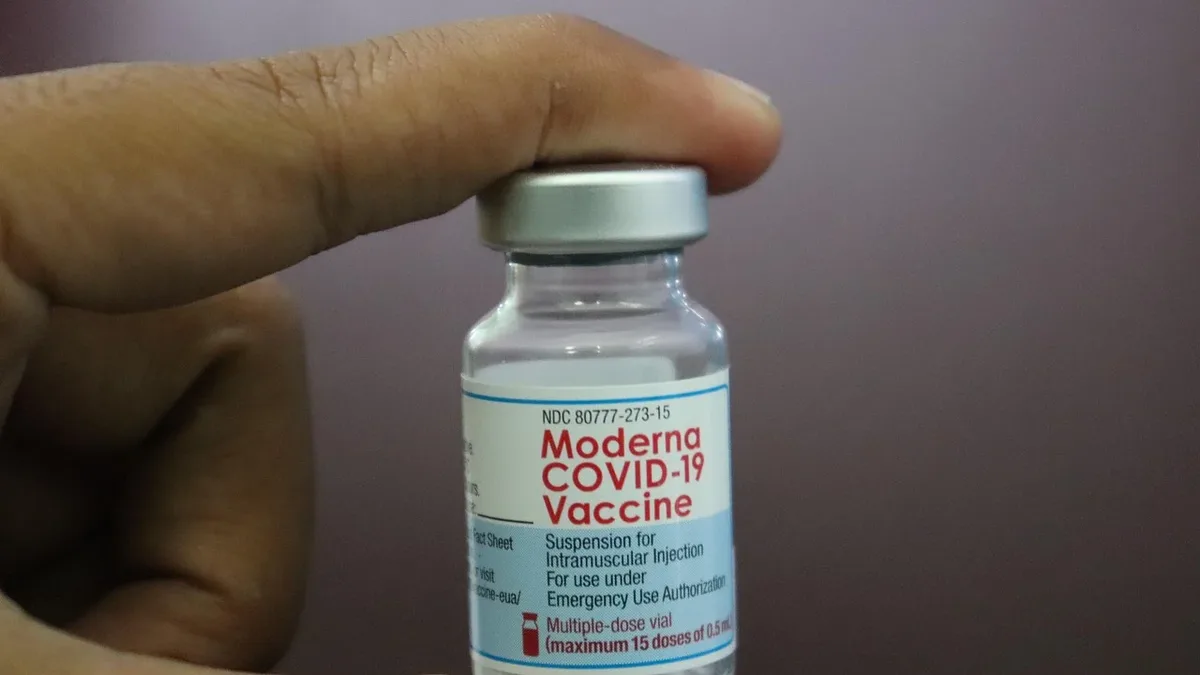
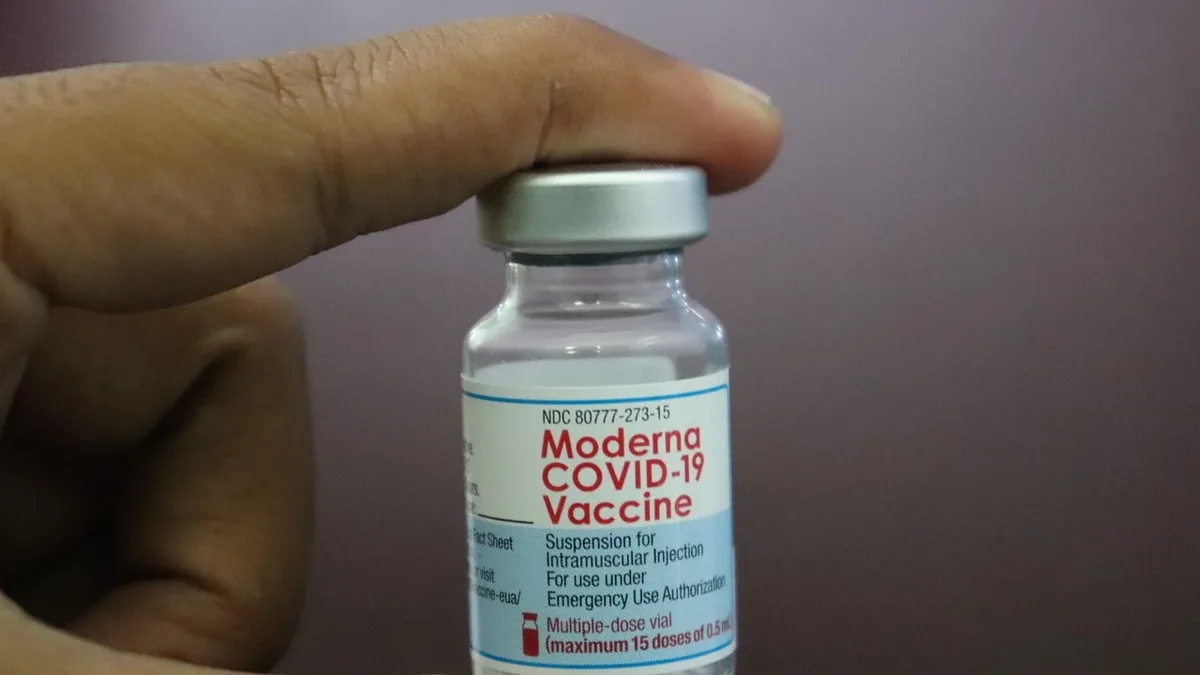
The trial was led by Professor Georgina Long, a melanoma specialist at the University of Sydney and medical director at Melanoma Institute Australia. The experimental vaccine, called intesimran, uses mRNA technology similar to that in Covid-19 vaccines. It is custom-made for each patient by analysing the unique genetic mutations found in their tumour.
Around two-thirds of the trial participants received the personalised vaccine alongside Keytruda, while the remainder received Keytruda with a placebo. The combination therapy demonstrated a 42% lower relative risk of the cancer returning or causing death compared to immunotherapy alone over two years. It also reduced the risk of the cancer spreading to distant parts of the body by 38%.
Trial design and participants
The global study enrolled 1,137 adults with high-risk melanoma across 157 sites worldwide. Australian centres involved included Melanoma Institute Australia, Westmead Hospital, Princess Alexandra Hospital, the Paula Fox Melanoma & Cancer Centre, and the Peter MacCallum Cancer Centre. All patients had undergone surgery to remove their melanoma before starting treatment, which consisted of nine doses of the vaccine beginning roughly 13 weeks post-operation.
Clinical outcomes and safety
The two-year results show a clear benefit for those receiving the personalised approach. The combination of the mRNA vaccine and Keytruda kept 82.2% of patients alive and free from melanoma recurrence. For patients receiving Keytruda alone, that figure was 70%. The data on distant metastasis-free survival was similarly promising.
| Measure | Combination Therapy | Keytruda Alone |
|---|---|---|
| Recurrence-free survival at 2 years | 82.2% | 70% |
| Distant metastasis-free survival at 2 years | 88.5% | Not specified in source |
The vaccine was generally well tolerated. Researchers identified neoantigens-unique markers on cancer cells-by sequencing tumour DNA and comparing it to healthy cells. The custom mRNA vaccine is then manufactured to teach the patient's immune system to recognise and attack cells bearing those specific markers. Keytruda works by blocking mechanisms cancer cells use to hide from the immune system, thereby complementing the vaccine's action.
Dr Hussein Tawbi, a melanoma specialist at the University of Texas MD Anderson Cancer Center, described the results as statistically significant. The approach marks a key shift away from one-size-fits-all cancer therapy. "Personalisation is the next step up and it's really exciting, it's a fabulous technology," said Prof Pippa Corrie.
Future applications and regulatory path
The success in melanoma, a cancer that has historically served as a testing ground for immunotherapies, supports development for other cancers. Moderna and Merck, the companies behind the vaccine, are already evaluating the treatment in patients with lung cancer, kidney cancer, and bladder cancer. Moderna CEO Stéphane Bancel said the findings could mark the beginning of a new chapter in cancer treatment.
The companies plan to seek regulatory approval, with a goal of making the treatment available to patients in 2027. They are engaging with regulators and may file for approval as soon as next year. Widespread use will depend on factors like cost, as each patient requires a custom-made vaccine. The therapy remains experimental and the 42% reduction refers to relative risk, not a cure. The trial will continue to monitor participants for longer-term outcomes, including overall survival.