Afghanistan bans male dentists from treating women
A Taliban ministry order prohibits male dentists from treating female patients, forcing women to travel long distances, risk unqualified care, or endure untreated pain as restrictions spread nationwide.
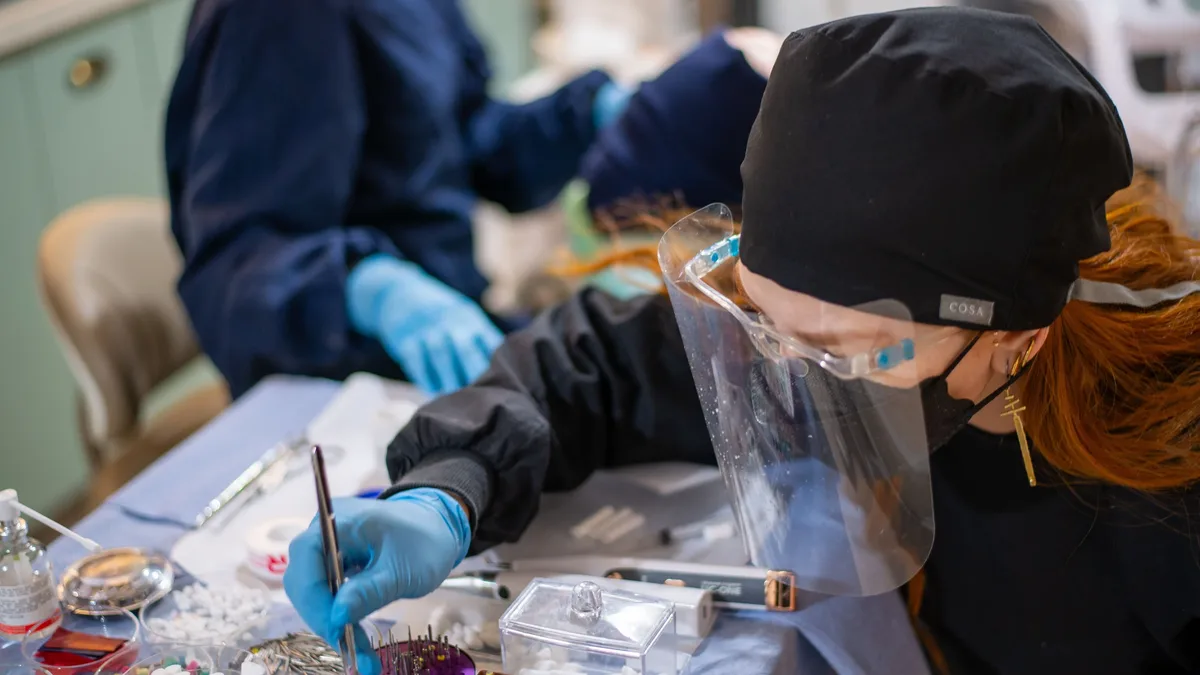
A ban on male dentists treating women is reshaping access to dental care across Afghanistan. The Ministry for the Propagation of Virtue and the Prevention of Vice has ordered male dentists to stop treating female patients, closing clinics to women who previously relied on them.
Farida, a 37-year-old resident of Herat, experienced this directly. She sought treatment for excruciating tooth pain in early July, paying in full upfront for a plan requiring multiple visits. During her third session for implants, she was told to go home because a problem had come up. Two days later, the clinic informed her that treatment was no longer possible due to the ministry's order. Three months later, her treatment remained unfinished, leaving her unable to eat or drink normally. Dentists report enforcement by Taliban security forces through raids and warnings of imprisonment if female patients are found in their clinics.
Spread of restrictions across provinces
The ban has spread beyond Herat, with reports from multiple provinces of male doctors being barred from examining women. In most provinces, male doctors have received directives instructing them not to examine female patients except under specific conditions. These conditions include the presence of a male guardian, known as a mahram, or having procedures performed by female nurses.
A surgeon with 15 years of experience at a state hospital in northern Afghanistan stated the ban on examining female patients applies regardless of how simple the procedure is or how critical the patient's condition. The restriction is absolute because the male doctor is not the woman's mahram.
Name bans and shame-driven travel
Further rules compound the barriers to care. Officials in Balkh province banned hospital staff and private clinics from calling women by their actual names in May, requiring the use of the word 'Bibi' instead, even on prescriptions. For some families, the social stigma of the ban forces extreme measures.
Rahima from Kunar province explained that an elderly relative traveled hundreds of miles to Kandahar for dental treatment because her son ran a clinic there. The husband considered visiting a local male dentist a source of disgrace, making the long journey necessary to avoid shame.
Impact on education and the health workforce
These restrictions on male practitioners intersect with a devastating blow to the female health workforce. Since December 2024, women have lost the right to study at medical institutes in Afghanistan, including nursing and midwifery programs. The Taliban have also banned hospitals from hiring female staff. Medical institutes had remained one of the last avenues for women to continue education after university access was closed to them in December 2022.
This deepens a critical shortage of female health staff. The few remaining practicing female doctors are themselves required by the Taliban to have a mahram present. This leaves male practitioners as the only option for many women, an option that is now also being systematically restricted.
Living with the consequences
Women now face an impossible choice: risk treatment, use unqualified providers, or live with their ailments. Some male doctors attempt to circumvent the rules. Nargis, a dental clinic assistant in Jalalabad, says some keep a lookout for Taliban officials when treating female patients. Others joke about keeping a chadari, the full Afghan burqa, in the office to put on when patients arrive so they won't be recognized as male.
Even when rules are technically followed, care is delayed. One patient, accompanied by her father, was forced to wait at a clinic with no female staff. The male doctor could not touch her until another female patient arrived with her own male companion. This contradicted a February statement from the Taliban's communications minister, Hamdullah Nomani, who said male doctors would be considered mahram when treating female patients. The health system is closing around Afghan women, leaving them in pain and without recourse.