Primary care screening spots early type 1 diabetes in children
A pilot in Italy shows combined screening for type 1 diabetes and coeliac disease is feasible in primary care, identifying children at risk years before symptoms appear.
Combined screening for type 1 diabetes and coeliac disease is operationally possible in primary care settings. New evidence from a large Italian pilot programme demonstrates that primary-care paediatricians can successfully implement this screening in young children, offering a practical pathway to earlier detection.
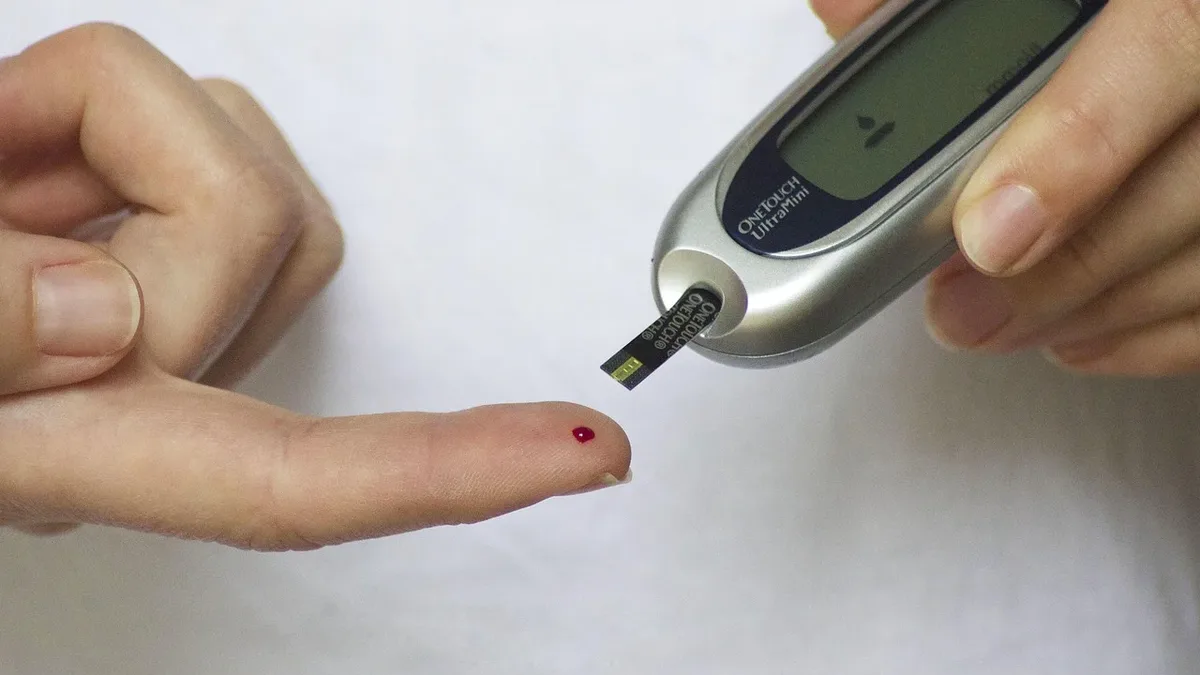
The D1Ce Screen pilot enrolled 5,535 children across four Italian regions, exceeding its target. Primary-care paediatricians collected small blood samples to test for autoantibodies linked to type 1 diabetes and coeliac disease. The programme targeted children at two, six, and ten years of age. Of 565 paediatricians who initially agreed to participate, 429 went on to enrol and screen children.
More than 80% of clinicians described the screening as very useful medically. Almost 73% considered it very useful for families. Samples were adequate for autoantibody testing in 89.4% of children and for genetic HLA typing in 96.3% of cases.
| Metric | Result |
|---|---|
| Children enrolled | 5,535 |
| Target enrolment | 5,363 |
| Paediatricians who screened | 429 |
| Samples adequate for autoantibody test | 89.4% |
| Samples adequate for HLA typing | 96.3% |
| Clinicians finding it medically very useful | >80% |
| Clinicians finding it very useful for families | ~73% |
Among children who received an initial positive result, 94.6% accepted confirmatory venous testing for type 1 diabetes autoantibodies. For coeliac disease markers, the acceptance rate was 81.7%. The study assessed feasibility and clinician acceptability, not whether screening improves long-term health or is cost-effective.
What the results show
High uptake of confirmatory testing and adequate sample rates indicate the approach works operationally. In type 1 diabetes, the immune system can begin attacking insulin-producing cells months or years before symptoms appear. Finding children at this early stage could allow families to receive education and monitoring before high blood glucose causes severe illness or diabetic ketoacidosis. Coeliac disease can also be present without obvious digestive symptoms, particularly among people with type 1 diabetes.
The UK does not currently have a national type 1 diabetes screening programme. Early-stage cases are mainly identified through research studies or targeted testing of people at increased risk. The Italian results add evidence that combined autoimmune screening is operationally possible. Whether it should become routine UK practice requires a broader assessment of benefits, harms, treatment pathways and cost. The pilot was introduced within Italy’s specific healthcare system and cannot automatically be transferred to the NHS.
The landscape of early detection
Multiple international research projects are advancing the field of early detection. The prolonged presymptomatic phase of type 1 diabetes creates opportunities for early identification, risk stratification, and intervention before clinical symptoms develop. At present, early-stage type 1 diabetes can be identified only by detecting islet autoantibodies, with the presence of two or more defining the diagnosis.
Islet autoantibody screening aims to prevent diabetic ketoacidosis at diagnosis, improve long-term metabolic outcomes, and provide timely access to disease-modifying therapies. An analysis of prospective birth cohorts showed that almost all children with multiple islet autoantibodies progress to symptomatic disease. Also, children diagnosed through public health screening have markedly lower rates of diabetic ketoacidosis at clinical diagnosis.
Research professor Anette-Gabriele Ziegler has framed the question, "The countdown to type 1 diabetes: when, how and why does the clock start?"
The path to proactive care
Routine implementation of screening would transform type 1 diabetes care from a reactive model centred on symptom management to a proactive framework. This shift is supported by evidence that an immunotherapy can delay the onset of clinical disease in individuals with stage 2 disease. Although general population screening will capture a much larger proportion of future cases, screening can also be targeted towards groups at increased genetic risk.
International studies like Fr1da, Type1Screen, and the ELSA study are all contributing protocols and data on feasibility. The DiaUnion project and the EDENT1FI Master Protocol also address screening and monitoring for presymptomatic type 1 diabetes. Updated clinical guidelines now provide guidance on screening, staging, and strategies to preserve beta-cell function in children and adolescents.
Whether combined autoimmune screening becomes routine UK practice requires broader assessment of benefits, harms, treatment pathways and cost.