Dementia diagnosis waits hit families hard
A survey by the Alzheimer's Society reveals hundreds of families wait months or years for a dementia diagnosis, impacting their work, finances, and mental
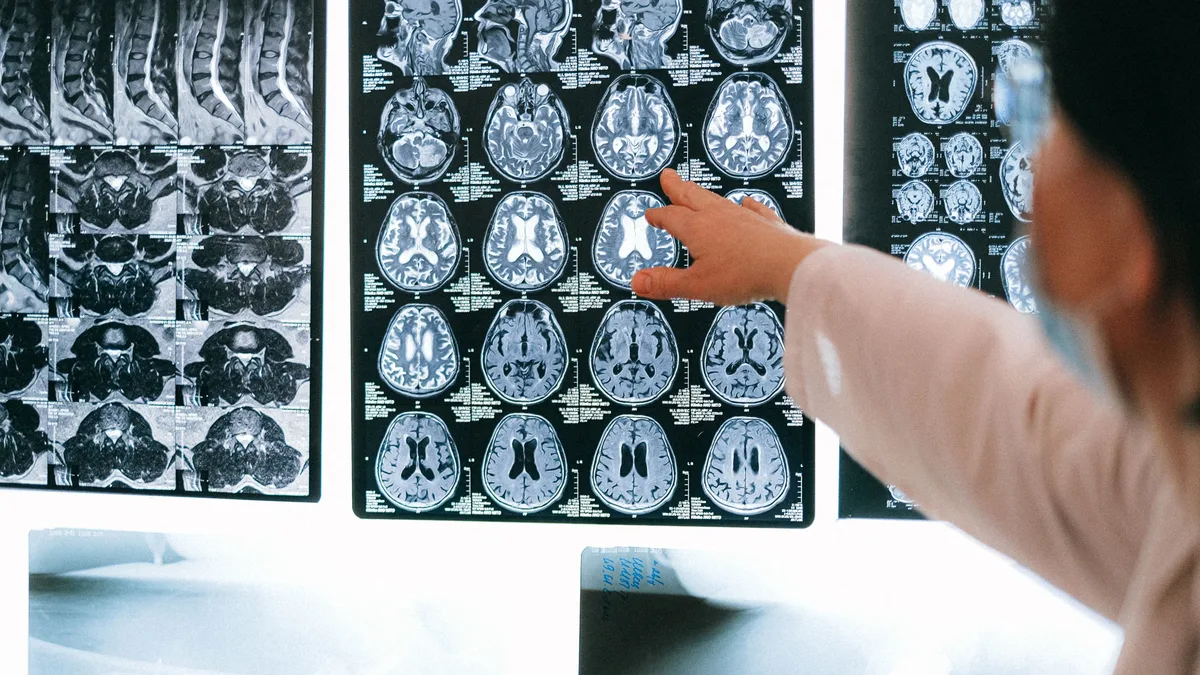
Hundreds of families report waiting months or even years for a loved one to receive a dementia diagnosis. These long delays severely impact their work, finances, and mental health, according to a new survey for the Alzheimer's Society charity.
The charity is now demanding a national standard. It wants anyone with dementia to get an accurate diagnosis within 18 weeks of being seen and referred by a GP. This would put dementia on a similar footing as other major conditions like cancer.
"He could have had medication sooner"
Michael Fethon says his father, Jim, waited 18 months from their first GP appointment for a diagnosis. The delay took a heavy toll. Jim's condition spiralled. He struggled to drive, shop, and eventually to walk. Michael eventually had to give up his job to become his dad's carer.
"If we'd have had a diagnosis sooner, he could have started medication sooner," Michael said. He noted that while medication does not cure dementia, it can slow its progression and reduce symptom severity.
Agonising waits
The Alzheimer's Society survey gathered responses from more than a thousand families and carers. The results were stark. Nearly half waited over six months for an accurate diagnosis after the initial GP visit.
Michelle Dyson CB of the Alzheimer's Society explained the critical importance of a timely diagnosis. It helps families access support and plan for the future. "Too many families spend months, and sometimes years, waiting for answers while their dementia progresses," she said. Dyson compared the situation to planning a journey without knowing the destination. She argued that people would never accept such a delay for a cancer diagnosis.
Sue's story
For Keith Andrews, waiting almost a year for his wife Sue's diagnosis was a horrible time. They have been married for 57 years. Sue's condition has since deteriorated, and she now lives in a care home. Keith says life became more manageable once they had certainty.
"I won't say it's easy, but you know where you're going, and you know where you're heading and you feel a lot more confident in what you're doing," he explained. Before the diagnosis, he felt unsure if he was doing the right thing.
Keith's experience is common. The survey found that 9 out of 10 families said a formal diagnosis made at least one aspect of life easier. That included understanding symptoms and behaviour, supporting the person living with dementia, accessing information or speaking to healthcare professionals.
Government Response
A spokesperson for the Department of Health and Social Care responded to the findings. The spokesperson stated the government is determined to strengthen support for individuals with dementia and their family carers. Key actions include bringing forward the timetable for Baroness Casey's commission on social care reform and appointing a new dementia tsar. The government is also implementing a new action plan for unpaid carers to ensure they receive support and recognition.
The Alzheimer's Society maintains that dementia does not wait, and neither should diagnosis.