NHS rapid brain tumour test delivers
A new NHS genomic test can diagnose brain tumour type in under two hours during surgery, replacing waits of up to eight weeks.
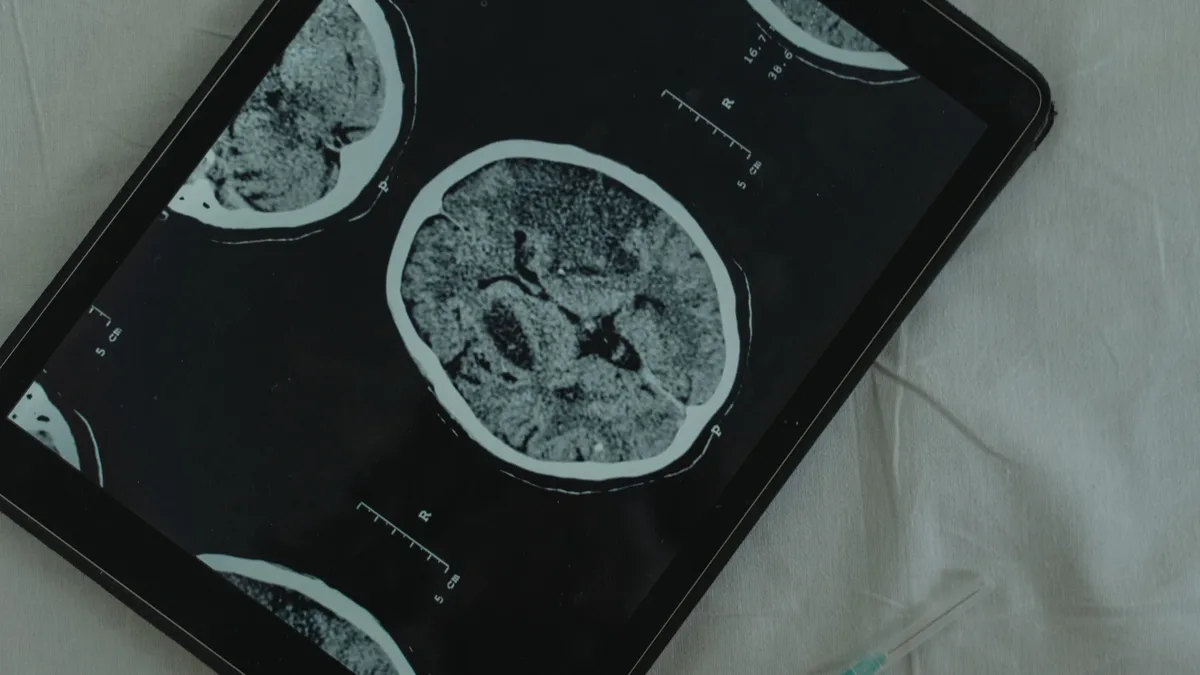
The NHS has introduced a rapid genomic test that can diagnose brain tumour type in under two hours during surgery. This slashes the time for an accurate diagnosis from up to eight weeks, delivering results while the patient is still in theatre.
NHS England is piloting the test, which analyses DNA from a small tumour sample taken during a biopsy or operation. A definitive diagnosis could be received in days rather than weeks. This helps identify which of the more than 150 different types of brain tumour a patient has, each of which can respond differently to treatment.
How the technology works in practice
The rapid genomic test was developed by scientists and medics at the University of Nottingham and Nottingham University Hospitals NHS Trust. It uses a portable, shoebox-sized sequencing machine made by Oxford Nanopore.
Small tissue samples are sent to a pathology lab and prepared for the machine. Specialist software analyses the molecules of DNA as they pass through a nanopore, revealing the tumour's unique genomic fingerprint. In one case, the neuropathology team called the theatre with a likely glioblastoma diagnosis just 20 minutes after the machine started running.
Dr Simon Paine, a consultant neuropathologist at Nottingham University Hospitals NHS Trust, highlighted the clarity of the new method. I'm crystal ball gazing and can do it reasonably well on a good day, but nowhere near with the clarity of the nanopore, which gives a comprehensive molecular classification.
Impact on treatment and patient experience
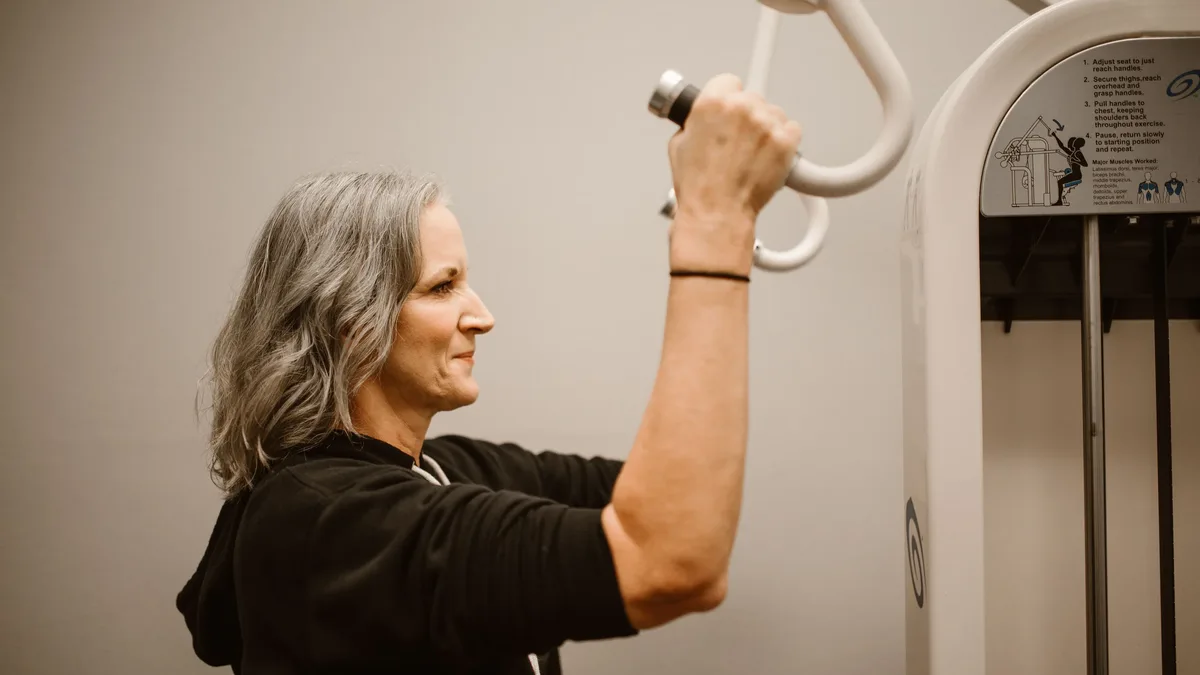
Faster diagnosis allows earlier treatment and reduces patient anxiety. Steve Palmer, 55, from Nottingham, was diagnosed with a grade 4 glioblastoma after collapsing at the gym. "Getting that quick diagnosis removed weeks of anxiety," he said. "It wasn't the result I wanted to hear but it means I can get on with the next phase of treatment and recovery."
Diagnosing the tumour type during surgery can directly impact the operation. For curable tumours, surgeons can be more radical to remove every last bit. For aggressive types beyond what surgery can fix, they may be more cautious to lower the risk of brain damage.
The test may also help patients access clinical trials sooner by providing a precise genetic make-up. It supports research into glioblastoma recurrence and targeted treatments.
NHS rollout and future expansion
The NHS England pilot will involve five specialist centres. The pilot builds on earlier work in Nottingham and Birmingham.
Professor Dame Sue Hill, chief scientific officer for England and senior responsible officer for genomics in the NHS, called it a world-leading development for NHS genomics. The pilot will later be extended to sites in Bristol, Oxford, Leeds and Manchester.
Context: brain tumour prevalence and types
More than 12,000 people in the UK are diagnosed with a primary brain tumour each year. It is the biggest cancer killer of children and adults under 40. The wide variety of tumour types, from slow-growing to aggressive cancers, makes rapid, precise diagnosis critical for tailoring treatment.
The pilot will later be extended to sites in Bristol, Oxford, Leeds and Manchester.