NHS Warns Up to 20 Maternity Units May Close
NHS leaders warn up to 20 smaller maternity units in England face closure due to staffing shortages and rising C-section rates, risking unsafe care and longer travel for pregnant women. Black women are almost three times more likely to die in childbirth than White women.
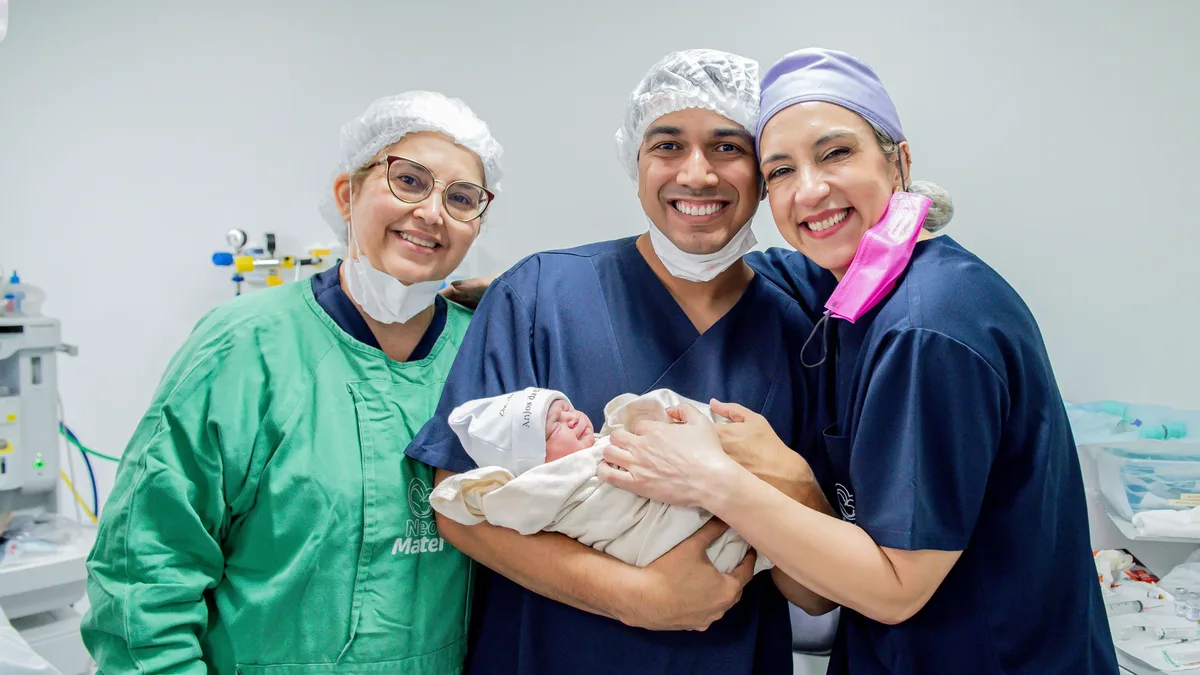
NHS leaders warn maternity care across England is not fit for purpose, with safety at risk due to staffing shortages, outdated facilities, and rising C-sections straining smaller units. Up to 20 consultant-led maternity units may close or change their role, forcing pregnant women to travel farther for care.
Smaller units delivering 1,500 to 2,000 babies annually face closure due to staffing pressures and rising C-sections. Staffing difficulties are particularly acute in rural and coastal areas. The rise in C-sections is straining outdated facilities with inadequate operating theatres and beds. Many smaller units struggle to maintain 24-hour staffing for midwives and consultants.
Up to 20 consultant-led units may close or change role
Up to 20 smaller maternity units delivering 1,500-2,000 babies annually face closure or redesign due to safety concerns, staffing pressures, and the need for consolidation. Matthew Hopkins, the NHS Alliance’s director for acute care, said up to 20 maternity units led by consultant obstetricians will need to shut or change their role. The recommended closures would include Barnstaple maternity unit.
Matthew Hopkins said: "Difficult decisions lie ahead, consolidating maternity services to support safer, more sustainable care."
Black and Asian women face disproportionate risks
Black women are almost three times more likely to die in childbirth than White women, and deprived communities face worse outcomes. A 2024 report confirmed that stark disparity. Baroness Valerie Amos's June review found women and babies were not being 'listened to, heard or believed', with racism and discrimination embedded in the system. The NHS Alliance said difficult decisions were inevitable to address these deep-rooted inequalities.
Real-world impact: Barnstaple suspension forces long journeys
Since August, over 200 mothers have travelled up to two hours to Exeter for childbirth after Barnstaple’s maternity unit suspended services due to staffing issues. The Royal Devon University Healthcare NHS Foundation Trust stated the suspension was the 'only safe course of action'. The journey to Exeter hospital can take up to two hours. The trust plans to provide a further update on the unit's readiness on October 26.
Calls for local care and workforce investment grow
Campaigners, midwives, and local leaders argue closures undermine continuity of care and demand proper funding. The Royal College of Obstetricians and Gynaecologists called for expansion of the maternity workforce and investment in training. Dr Alison Wright, president of the college, said the distinct needs of smaller units in rural and coastal communities must be supported.
Dr Alison Wright said: "The distinct needs and challenges of smaller units, especially in rural and coastal communities, must be recognised and supported."
Devon County Council leaders demanded Health Secretary Yvette Cooper reopen and maintain North Devon's maternity unit. Councillor Jess Bailey called closing smaller units 'not the answer' and criticized the health secretary's silence on three letters requesting immediate reopening. County council leader Julian Brazil blamed 'bean counters' for setting health policy instead of meeting community needs, calling centralization 'lazy' and a failure for rural communities. A single national action plan will be published in December 2026 to address maternity safety, following the taskforce’s current preparation of reforms.