Voting linked to longer life as health policy debates intensify
A new study links voting in presidential elections to a significantly lower risk of premature death, as multiple health policy debates and disease outbreaks converge ahead of the 2024 election.
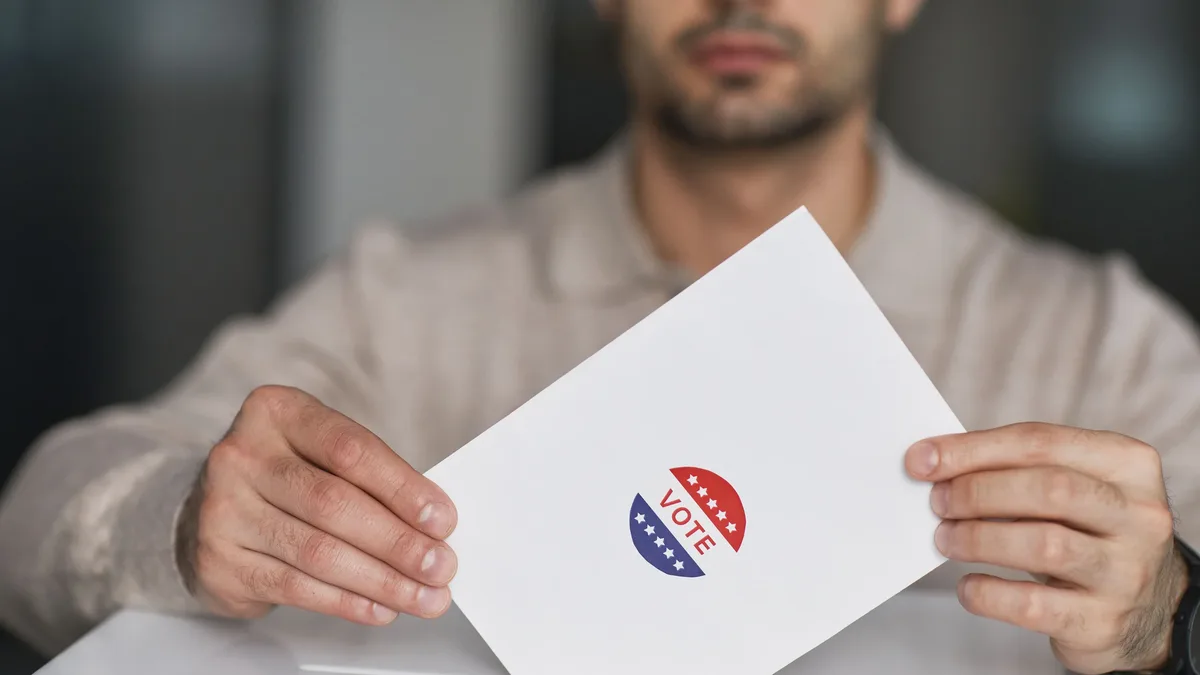
Voting in presidential elections is linked to a lower risk of premature death, according to new research. The study, published in March in The Journals of Gerontology: Series B, found voting in the 2008 election was associated with a 26% lower risk of premature death by 2023, while voting in 2012 was linked to a 32% lower risk.
The research used health and objective voting data for about 4,200 older adults from the Wisconsin Longitudinal Study, which has followed more than 10,300 people who graduated from Wisconsin high schools in 1957. By 2023, participants were 84 years old on average. Verified records from the national voter file database Catalist showed the protective association was strongest in the years immediately following an election. People who voted in 2008 had a 45% lower risk of early death after five years, 37% after ten years, and 29% after fifteen years. Participating in the 2004 election was not associated with lower or higher odds of early death.
The findings stood regardless of political affiliation, financial resources, and a range of health measures including smoking, alcohol consumption, functional limitations, and emotional well-being. The study cannot prove that voting caused longer life, and the lower early death risk was also observed in women, younger people, and those with more financial and health resources. Researchers noted the study's geographic and racial limitations mean results may not apply to people of other races, ethnicities, or locations. They excluded elections after 2012 because mortality data up to fifteen years later was not yet available and described 2008 as a very different political atmosphere compared to later elections.
Health Policy And Election Context
Election-related health policy debates and state-level health issues are prominent this year. Thirty state attorneys general are on the ballot, figures who are key in the fight over abortion access. Multiple doctors are running for office, and referendums on Medicare for All and the Make America Healthy Again movement are taking place across the country.
Simultaneously, the U.S. reported 298 new measles cases in the past week. A child in central New York died after contracting measles, becoming the state's first measles death in thirty years.
Other Health Risks And Policy Changes
Multiple health threats and policy shifts are occurring simultaneously across the country and abroad. A young doctor, Marie-France Shogogo, died from Ebola while working in Congo, and Africa's CDC says Ebola cases stretch beyond 10,000. Domestically, less than a quarter of Medicaid beneficiaries with hepatitis received treatment within six months of testing, and some insurers have refused to pay for emergency care dictated by the No Surprises Act.
In reproductive health, the Trump administration is making moves to scale back pregnancy and reproductive health-related workplace accommodations. Medical tourism patients who traveled abroad for mitochondrial replacement therapy, known as three-parent IVF, were misled by the for-profit industry. A separate study found that experiencing dismissiveness, coldness, and stereotyping from clinicians was associated with Black patients' attribution of negative behaviors to racial bias.
Other developments include the FDA recommending building potency assurance into every stage of a therapy's life cycle in its final guidance for cell and gene therapy manufacturers. Some people who tried kratom said they became addicted to it. The first patient to receive an mRNA vaccine designed to treat stage II pancreatic cancer is thriving seven years later. In a tragic incident, a 24-year-old woman died from rhabdomyolysis after running her first marathon in New York. ESPN commentator Michael Wilbon is taking a leave of absence due to multiple health issues. The enduring link between civic participation and longevity remains a key health behavior highlighted by the research.