ACOG Urges Fallopian Tube Removal to Prevent
The American College of Obstetricians & Gynecologists has issued its strongest recommendation yet for removing fallopian tubes during other surgeries to
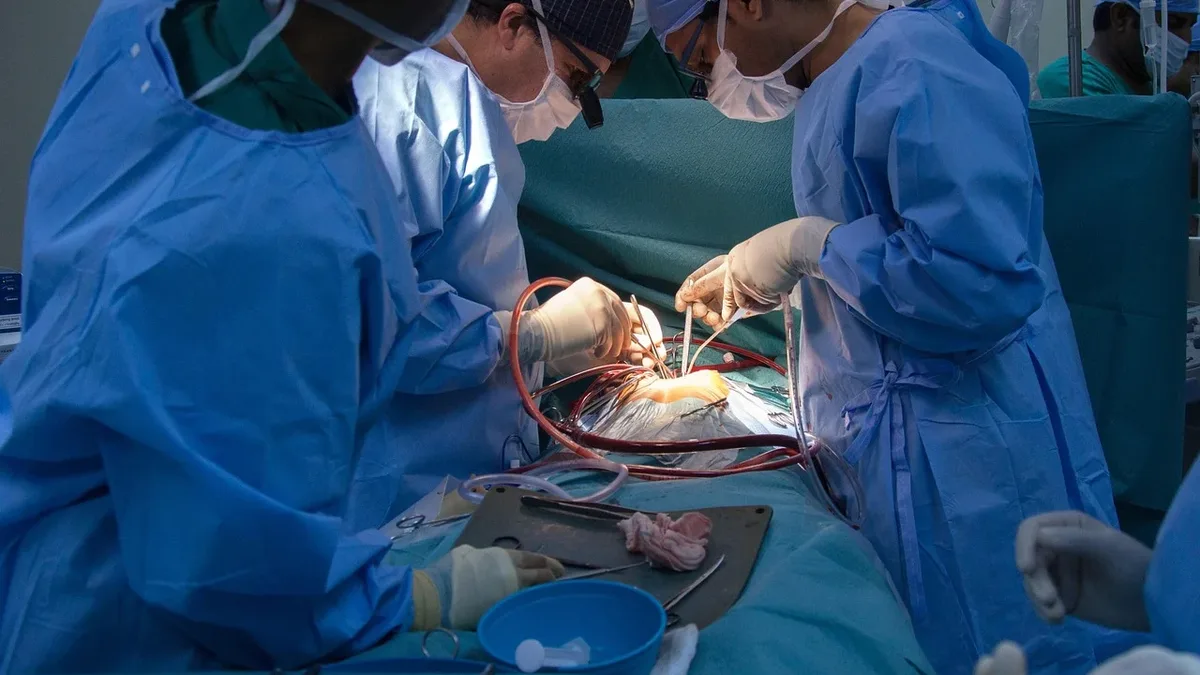
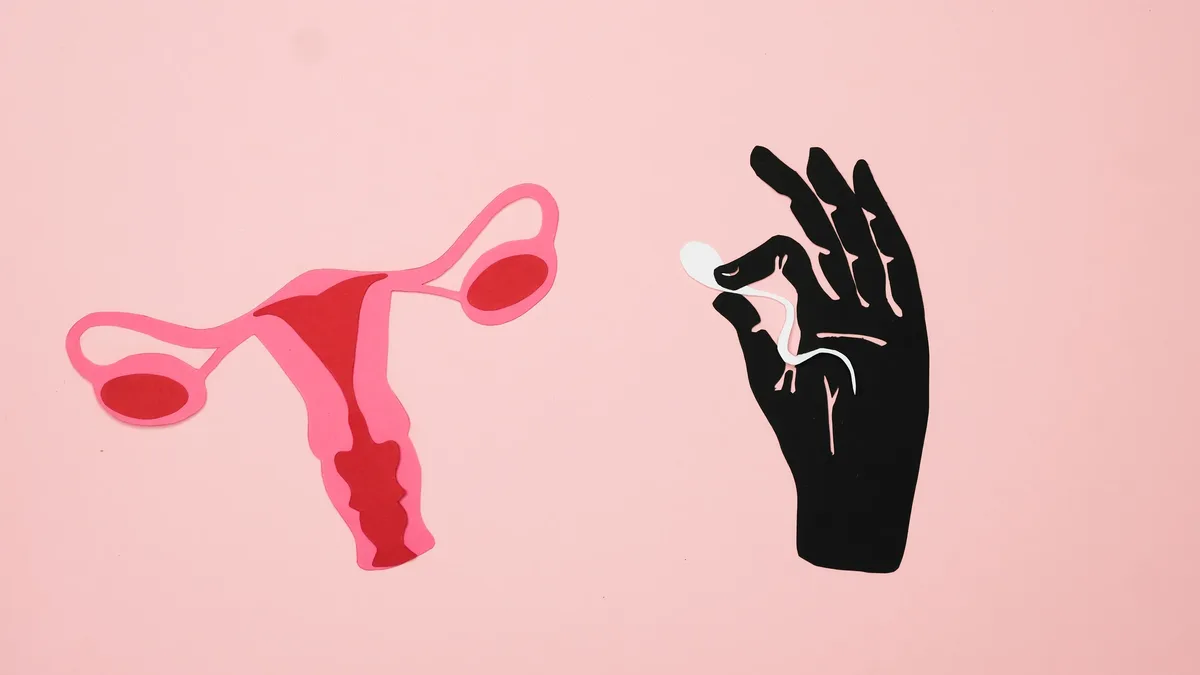
The American College of Obstetricians & Gynecologists (ACOG) now strongly urges doctors to routinely remove patients' fallopian tubes during hysterectomies. This procedure, called opportunistic bilateral salpingectomy, can slash a person's lifetime risk of ovarian cancer by as much as 78%.
Published in Obstetrics and Gynecology, the updated clinical guidance represents ACOG's most robust support for the preventive surgery to date. Data from multiple studies confirm the safety and significant risk reduction of the procedure.
"Obstetrician-gynecologists have an opportunity to empower patients through education, evidence-based practice, and collaboration," said Dr. David Shalowitz, a co-author of the guidance. "For now, salpingectomy is the safest, most effective way to prevent this deadly disease."
Strong Evidence from Recent Studies
A major Canadian study of over 80,000 patients provided compelling evidence. It found that women who had their fallopian tubes removed during a hysterectomy had an almost 80% lower risk of developing serous ovarian cancer compared to those who had a hysterectomy alone.
The study also revealed a shift in cancer types. In the group that had salpingectomy, only 23.1% of the ovarian cancers that did occur were the aggressive high-grade serous type. In a historical control group, that figure was 68.1%.
Dr. Karen Lu of the Moffitt Cancer Center noted that the data supporting the procedure is strong but not widely known. She stated the evidence is sufficient to recommend it for women undergoing various gynecologic and even non-gynecologic abdominal surgeries.
A Widespread Missed Opportunity
Despite the evidence, many opportunities for prevention are being missed. A study from last year examined 2,000 women diagnosed with ovarian cancer. It found that a quarter of them had undergone prior surgeries for permanent contraception or other abdominal procedures where risk-reducing salpingectomy could have been performed but was not.
That same study found 6% of the patients had a first-degree relative with ovarian cancer. Genetic testing after their cancer diagnosis revealed that 43.2% of those with a family history had a genetic susceptibility to the disease.
The European Society of Gynaecological Oncology has also published a consensus statement supporting the procedure. After reviewing 129 articles, their panel concluded clinicians should include this prevention option in pre-surgical counseling.
Updated Clinical Recommendations
The new ACOG guidance expands its recommendations beyond hysterectomy. It provides a clear framework for doctors to discuss this option with patients.
ACOG stresses the principles of informed consent and shared decision-making. Doctors should discuss the successful completion of salpingectomy when counseling patients about potential surgical approaches.
ACOG CEO Dr. Sandra E. Brooks emphasized the profound impact of an ovarian cancer diagnosis. She described the toll of complex surgery and intensive chemotherapy. While treatments have improved, mortality remains high. Salpingectomy offers a meaningful chance to reduce the risk of ever facing the disease.