Blood Test Trial For Abdominal Cancers Begins In GP Surgeries
A new trial offering multi-cancer blood tests at 200 GP surgeries in England launches this month, aiming to detect hard-to-diagnose abdominal cancers earlier in patients over 45 with symptoms like pain or bloating.
A major new trial offering multi-cancer blood tests for abdominal cancers begins this month at around 200 GP surgeries across England. More than 20,000 patients aged 45 and over with symptoms such as abdominal pain or persistent bloating will be eligible to take part.
Who qualifies for the test
Patients must be aged 45 and over and have abdominal symptoms like pain or persistent bloating. The trial, known as STRIDE-RCT, will offer the test to over 20,000 NHS patients who meet these criteria.
How the test works and what results mean
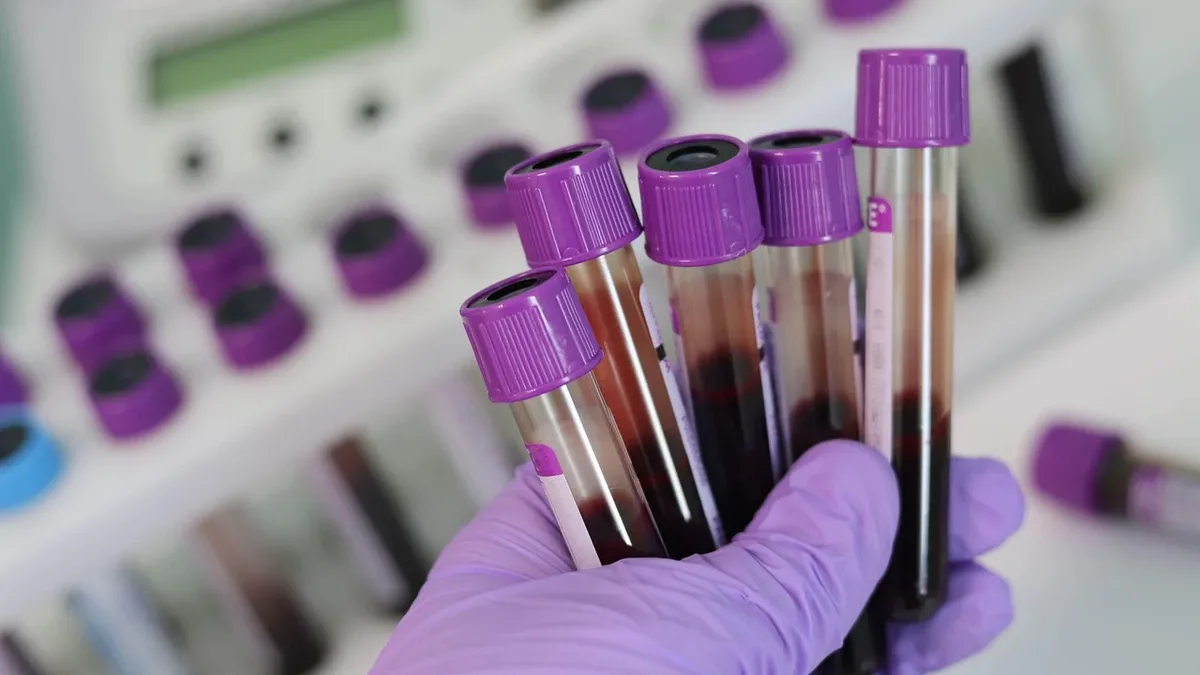
Patients will provide one or two tubes of blood at their GP practice. The test analyzes the blood for circulating tumour DNA and protein changes, using artificial intelligence to look for biomarker combinations indicative of cancer.
Results are sent electronically to GPs within days. A positive result indicates a need for further investigation, not a definitive cancer diagnosis. A negative result does not rule out cancer. Patients with persistent symptoms will be asked to return to their GP for further assessment regardless of the test outcome.
Trial scope and purpose
The government-funded trial targets hard-to-diagnose abdominal cancers to enable earlier intervention and improve survival rates. It aims to detect a range of cancers, including bowel, liver, ovarian, and pancreatic cancer.
The test detects the following abdominal cancers:
Around 71,000 people in England are diagnosed each year with pancreatic, stomach, liver, ovarian or bowel cancer. Nearly 35,000 people die from these diseases annually. Early diagnosis gives patients a much better chance of successful treatment and survival. For example, nine in ten people survive five years if diagnosed with bowel cancer at stage 1, compared to just one in ten at stage 4.
The trial, led by the University of Birmingham, will assess the test's accuracy to determine its potential for wider NHS use. These tests are not yet proven for use in GP surgeries. The secretary of state for health and social care, Yvette Cooper, stated that the trial will establish if simple blood tests can help GPs identify patients who need urgent support.
Patients with persistent abdominal symptoms will be asked to return to their GP for further investigation following test results.