Ectopic Pregnancy Deaths Double, Worse in Abortion Ban
A ProPublica analysis of CDC data finds deaths from ectopic pregnancies have nearly doubled since 2020, with a steeper rise in states with abortion bans.

Deaths from ectopic pregnancies have nearly doubled in recent years. A ProPublica analysis of CDC data found almost 200 women died from the condition between 2020 and 2025, compared to about 100 in the prior six years.
Maternal health these deaths should be preventable with prompt care. The analysis reveals a stark and baffling increase that has persisted beyond the COVID-19 pandemic. The surge raises serious questions about the role of state abortion restrictions, the most significant disruption to maternal healthcare in that period.
"A death related to ectopic pregnancy should really be a never event," said Dr. Alice Abernathy, an ob/gyn in Philadelphia.
A Growing Divide in Care
The uptick in ectopic deaths occurred nationwide. However, the climb has been much steeper in states that banned abortion after the Supreme Court overturned Roe v. Wade in 2022. ProPublica's analysis shows a growing divide for women in states with strict abortion bans compared to those without.
Patients have described their terror while seeking care. "I genuinely thought I was going to die," said Kyleigh Thurman, whose right fallopian tube ruptured after she struggled to get treatment in Texas in 2023. Leitaea Lowrimore of Oklahoma said in a lawsuit after being denied treatment at multiple hospitals, "There were a few times I asked my husband if I was going to die. I kept thinking about our kids."
Delays and Denials in Treatment
To treat an ectopic pregnancy, which is almost never viable, doctors must terminate it. Lawsuits and federal complaints allege some providers hesitate or refuse in states where they face criminal penalties for performing an abortion.
In Thurman's case, two emergency departments sent her home despite clear signs of an ectopic pregnancy. Regulators in 2025 found one hospital, Ascension Seton Williamson, failed to properly screen her and did not call an ob/gyn, violating its own policies and federal law. Thurman had to have her fallopian tube removed and has an ongoing malpractice lawsuit.
A spokesperson for the Ascension Seton hospitals said clinicians provide medically indicated treatment for ectopic pregnancies. The hospital has denied Thurman's allegations in court.
The Challenge of Diagnosis and Policy
Ectopic pregnancies impact up to 2% of pregnancies in the U.S. And are the leading cause of maternal deaths in the first trimester. Experts are unsure why deaths continue to rise. The increase has been more stark among younger women.
Anti-abortion groups have suggested that online abortion pills lead to more undiagnosed ectopics. Studies, however, find ectopic rates are far lower among people seeking medication abortions than in the general population. Telehealth clinics screen for higher risk and follow up with patients, said Ushma Upadhyay, PhD, MPH, a researcher at UCSF.
Many states with bans have long had poorer maternal outcomes. "It's a real challenge to try and tease out one thing out of the array of factors that undermine women's health in these states," said Eugene Declercq, PhD, a public health researcher at Boston University.
How Bans Interfere with Emergency Care
Many state abortion bans include exceptions for ectopic pregnancies. Experts worry doctors hesitate without an ironclad diagnosis, which can take time and increase risks.
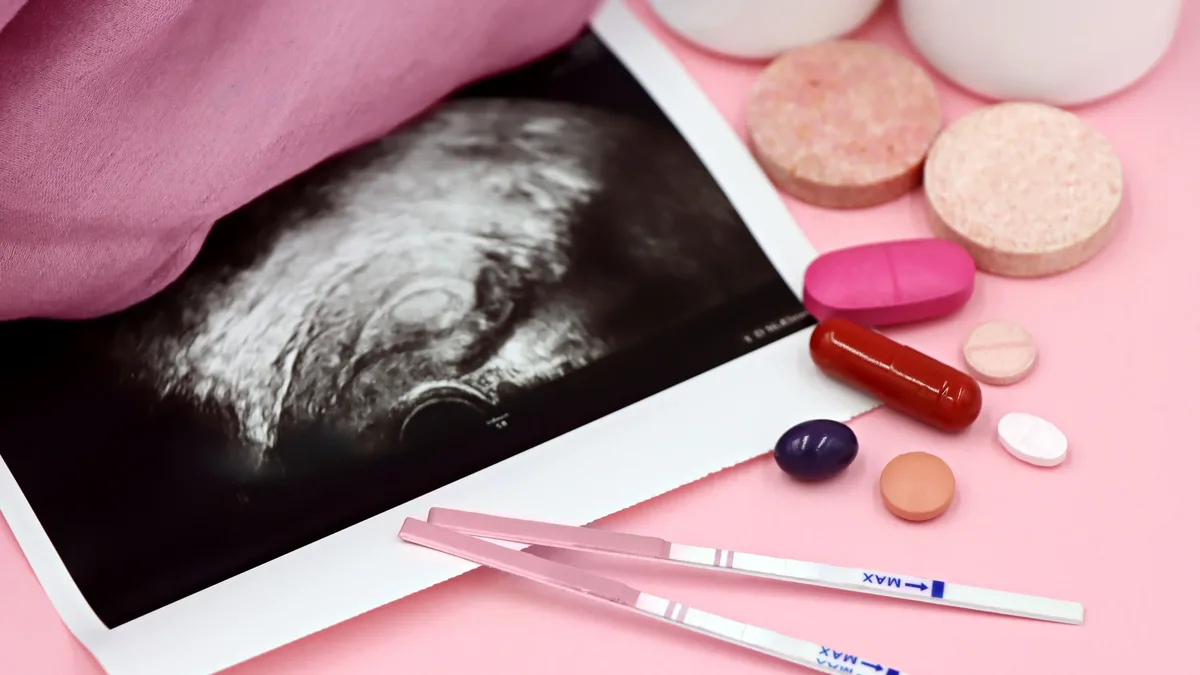
Ectopic symptoms often send women to emergency rooms. Doctors use ultrasounds to locate the pregnancy, but embryos are often not visible early on. Blood tests over multiple days can also assess risk. The risk of rupture increases with any delay.
In a state without a ban, a patient could opt to terminate at any point. In a state with a ban, that option may not exist. Doctors may wait for visual confirmation on an ultrasound to protect themselves from legal scrutiny, delaying treatment by days or weeks.
"Seeing a mass is not the only reason to have high suspicion for an ectopic pregnancy," said Dr. Rebecca Nerenberg, an emergency medicine doctor in New York. Treatment should be offered when other symptoms are present, like plateauing hormone levels, bleeding, and pain. Patients can be treated with a procedure or a cancer drug.
For women in states with abortion bans, getting that treatment can be difficult. Lowrimore sought care at an Arkansas emergency department in February after pain and bleeding. She was sent home and told to return for more tests after being diagnosed with a "pregnancy of unknown location."