Treating prenatal depression alters infant brain development
A randomized trial found that brief psychotherapy for maternal depression during pregnancy led to a 5% difference in infant hippocampus volume, linked to better emotional regulation at six months.
A randomized controlled trial has found that treating depression during pregnancy with brief psychotherapy leads to measurable changes in infant brain development. Infants whose mothers received interpersonal psychotherapy showed a 5% difference in hippocampus volume compared to those whose mothers received enhanced usual care. The study, published in Nature Communications in 2026, provides the first direct evidence that treating maternal depression can influence infant brain structure.
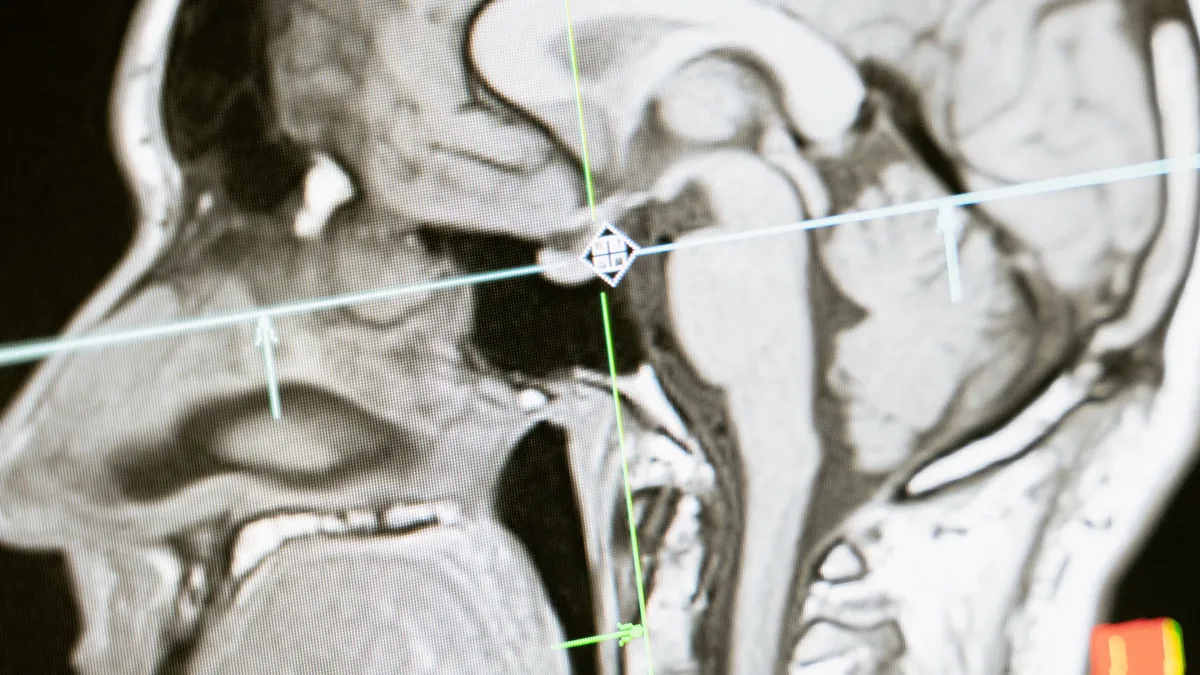
The research, called the Care Project, enrolled 234 pregnant women with depression symptoms during routine first or second trimester care. Participants were randomly assigned to one of two groups. One group received MOMCare, a therapy consisting of eight weekly 50-minute sessions focused on building interpersonal skills and strengthening social support. The other group received enhanced usual care, which included mental health education, symptom management strategies, and community referrals. Infant brain volume was measured by MRI within weeks of birth.
How the study worked
The trial compared two specific interventions for prenatal depression. The structure of the study and the treatments provided are detailed below.
Researchers found the hippocampus, a brain region critical for learning, memory, and emotional regulation, was 5% smaller by volume in infants whose mothers received MOMCare.
Brain changes linked to better emotional regulation in infancy
The hippocampus volume difference predicted improved emotion regulation in babies at six months of age. At that age, babies were tested for their emotional responses to unfamiliar experiences, like a noisy, unpredictably moving toy robot. Earlier studies link stronger negative reactions to such tasks with higher risks of adolescent depression and anxiety. In this trial, babies with the smaller hippocampal volume at birth responded less negatively to the tasks than those with larger volume.
Catherine Demers, Ph.D., a lead researcher, explained the significance. "By using a randomized clinical trial, we were able to test whether treating depression during pregnancy can actually influence early brain development in infants."
Treating maternal depression may support healthier developmental trajectories
The findings suggest that intervening during pregnancy could shape long-term infant brain development and emotional health. This study supports integrating mental health services into prenatal care. Treating maternal depression benefits two generations: mother and developing baby. Even though both groups received more support than is typical, a significant difference was observed. This suggests targeted, low-cost interventions like MOMCare can have a major impact.
It aligns with a small but growing number of randomized clinical trials showing that reducing maternal depression benefits babies, including improved emotional development. If confirmed, these findings could explain the biological basis for why treating prenatal depression is critical. The results support public health initiatives to expand accessible mental health care during pregnancy.
Elysia Davis, Ph.D., noted the broader implications. "Our findings suggest that treating a mother's depression during pregnancy may help shape a healthier developmental trajectory for the infant brain."
Researchers plan to follow the mothers and babies from this study through early childhood to track depression, anxiety, and other mental health outcomes.