Hypermobility Disorders Cause Pain, Fatigue
Hypermobility Spectrum Disorders, connective tissue conditions causing joint pain and fatigue, affect hundreds of thousands in the UK.
Hypermobility Spectrum Disorders (HSD) are connective tissue conditions that may affect hundreds of thousands of people in the UK. Many face significant delays in getting a diagnosis, with new research indicating average waits of 19 to 21.7 years.
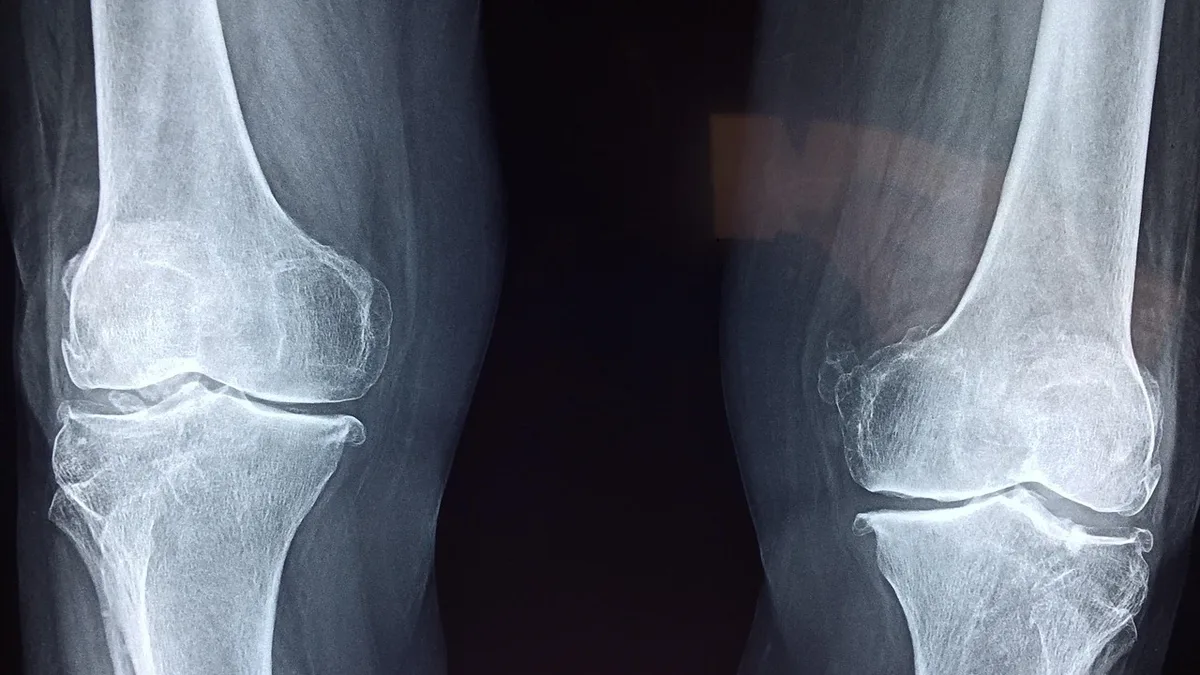
These disorders cause joint hypermobility, where joints have a greater-than-normal range of motion. Lax collagen means muscles must work harder to stabilize joints, leading to fatigue, pain, and clumsiness. HSD can also cause gastrointestinal symptoms because connective tissue within the digestive system is stretchier. Established links exist between HSD and neurodiversity such as autism and ADHD.
Diagnosis Delays and Challenges
Research from the University of Edinburgh found patients with hypermobile Ehlers-Danlos Syndrome (hEDS) and HSD waited an average of 19 to 21.7 years for diagnosis. The diagnostic process is complicated by the lack of a dedicated, standalone clinical guideline from the National Institute for Health and Care Excellence.
Dr. Jessica Eccles, a researcher on brain-body interactions and hypermobility, says diagnosis can be a "postcode lottery." She adds that HSD and hEDS seem to affect women more, noting that "women's health is not necessarily as well-researhed as problems affecting men." The research found under a third of those diagnosed said their GP had initiated management, and only 13% had access to a "knowledgeable clinician."
Living with the Condition
Patients report the condition severely impacts daily life. Vivienne Duval, 58, whose hunch about her hypermobility was confirmed by a doctor, says her social life and work have been affected. "I used to work as a massage therapist in work places, but I couldn't stand for long and I would get really tired," she says. She now works in a less physically demanding role.
Luke Grindlay, 23, diagnosed in primary school, hasn't sought treatment, which he attributes to "imposter syndrome" fueled by a lack of information. "If you go online to research this, there's nothing there… I'm going through a lot of pain, but because I can't find anything about it, it's almost like I'm making too much of it," he explains. He finds the impacts hit "harder" as he gets older.
Dr. Stephanie Barrett, a consultant physician and rheumatologist, says she sees people "time and time again" who cannot work because of "severe brain fog" linked to hypermobility.
Management and Outlook
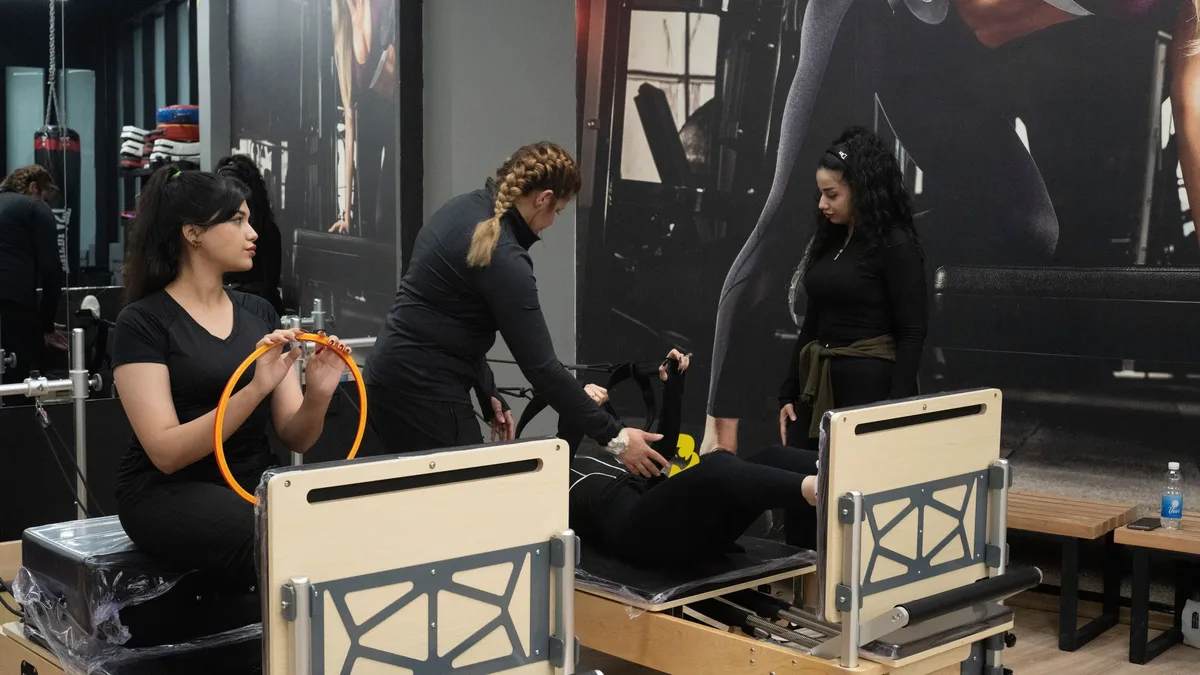
Dr. Eccles says there are ways to treat HSD but no "single magic bullet." Symptoms can worsen, or come to light, after a stressor like puberty, menopause, or potentially Covid. Physiotherapy can be useful by "toning up and strengthening the key muscles which hold the skeleton together," explains Dr. Barrett. Others may benefit from gentle exercise like swimming.
However, Dr. Barrett feels the tendency to tell sufferers to "just do a bit of physio" is unhelpful. She says more attention needs to be given to HSD and hEDS, requiring people working together and for the government to recognize the conditions. Vivienne Duval sums up a common feeling, stating, "I need to be able to help myself and I don't know where to go."