IVF Incubator Study Finds No Outcome
A randomized trial published on August 27, 2026, found that using a benchtop incubator for embryo culture did not improve blastulation or pregnancy rates
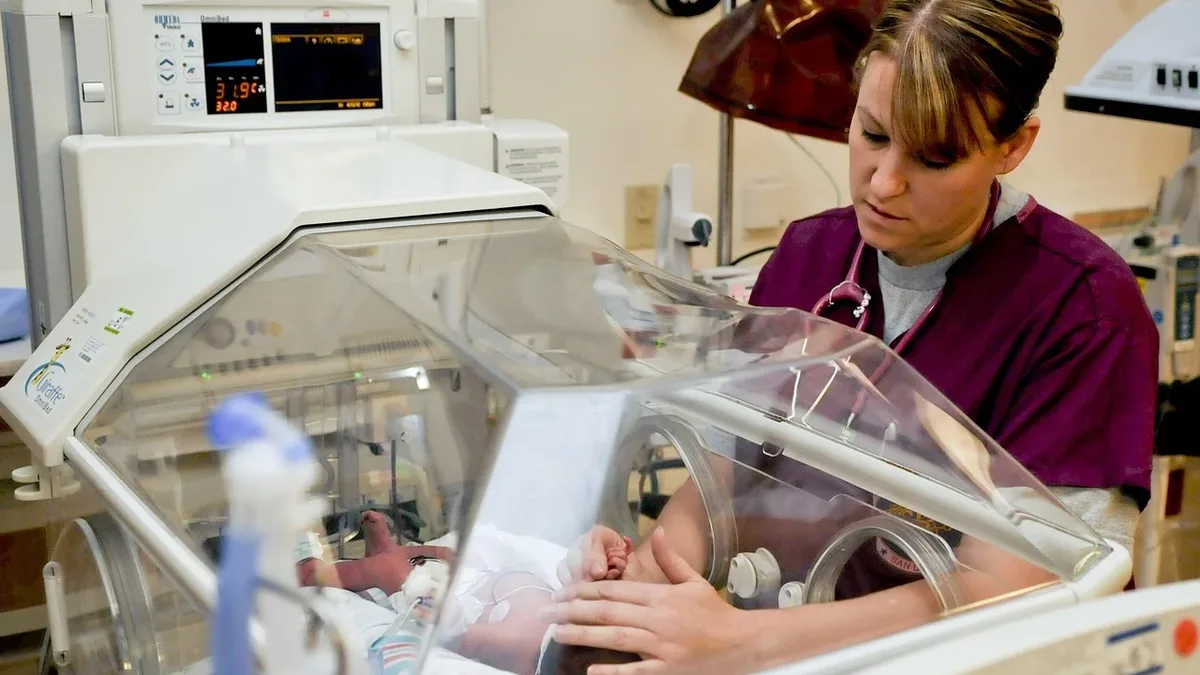
A new study finds the type of incubator used in IVF labs does not significantly affect embryo development or pregnancy success. Published in Fertility and Sterility on August 27, 2026, the research compared benchtop and conventional box incubators in a clinical setting.
Led by Dr. Blake Vessa of IVIRMA New Jersey, the VILOCITY trial was a prospective, double-blind randomized controlled trial. It took place at a single academic-affiliated center. Patients undergoing IVF with preimplantation genetic testing for aneuploidy (PGT-A) were recruited between December 2023 and January 2025.
Only patients with four or more mature metaphase II (MII) oocytes at retrieval were included. Their eggs were then split evenly between the two incubator types using a block randomization method. All other lab procedures, culture media, and developmental checks were kept identical to isolate the effect of the incubator alone.
Study Methods and Measured Outcomes
The primary goal was to see if the benchtop incubator improved the blastulation rate per mature oocyte. Secondary outcomes were comprehensive. They included fertilization rates, blastulation per fertilized embryo, embryo quality grades, and ploidy rates. The team also tracked clinical pregnancy outcomes after a subsequent frozen transfer of a single euploid embryo.
Key Findings Show Comparable Results
The final analysis included 2,152 mature oocytes from 145 patients. The results showed no advantage for either incubator type. The blastulation rate per MII oocyte was exactly the same. Other embryological markers were also statistically similar.
| Outcome Measure | Box Incubator | Benchtop Incubator | P-value |
|---|---|---|---|
| Blastulation per MII oocyte | 51% | 51% | 0.73 |
| Fertilization Rate | 84% | 86% | 0.31 |
| Blastulation per 2PN Embryo | 61% | 59% | 0.68 |
| Euploid Rate | 69% | 66% | 0.43 |
Detailed embryo grading showed no differences either. This covered the day the embryo reached blastocyst stage, its expansion grade, and the quality of its inner cell mass and trophectoderm. All comparisons had p-values well above the significance threshold.
Pregnancy Outcomes Were Also Similar
The research followed 133 frozen single euploid embryo transfers. There were 69 transfers from the box incubator group and 64 from the benchtop group. Pregnancy success rates were comparable between the two.
The ongoing pregnancy rate was 67% for the box group versus 64% for the benchtop group. The reported pregnancy loss rate was 9% versus 20%, a difference the authors noted was not statistically significant. Live birth rates followed the same pattern, showing no meaningful divergence based on the incubator used for initial culture.
The study, which was funded by IVIRMA New Jersey with equipment support from CooperSurgical, concluded that when other laboratory variables are carefully controlled, the choice of incubator type does not meaningfully influence IVF outcomes. The authors reported no conflicts of interest. The trial was registered under ClinicalTrials.gov identifier NCT06214936.