Azithromycin Use Rises, Cuts Post-C-Section Infections
Real-world U.S. Data shows increased use of azithromycin during unscheduled cesarean deliveries is linked to a significant drop in postpartum infections
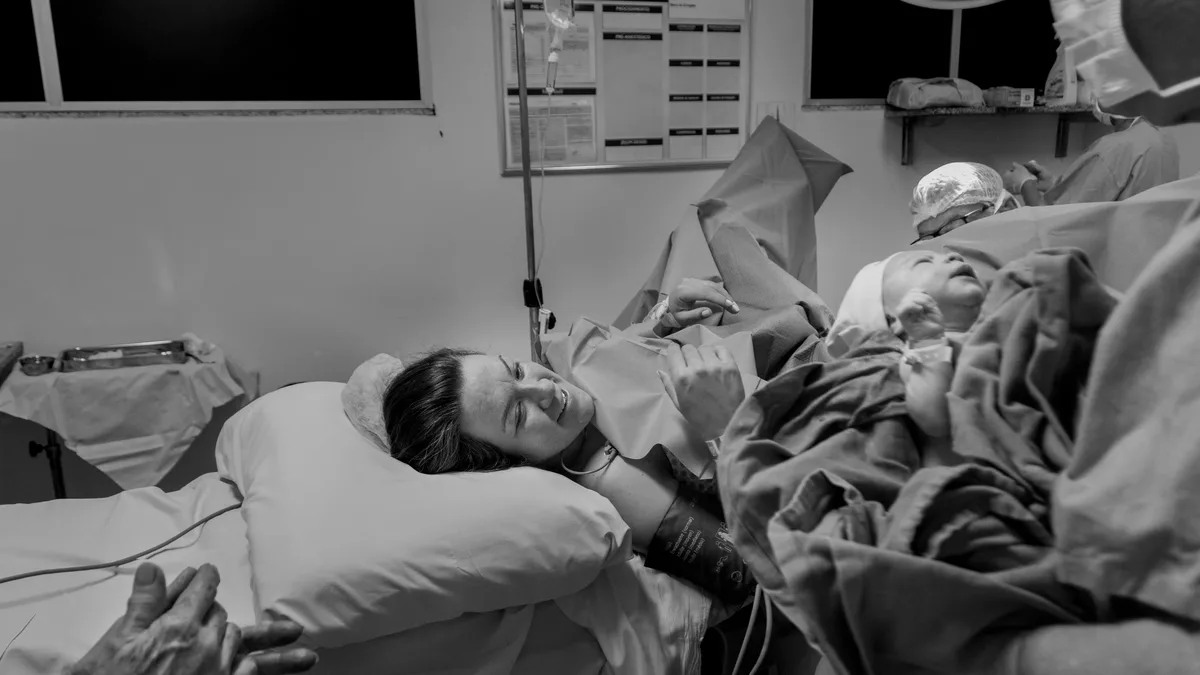
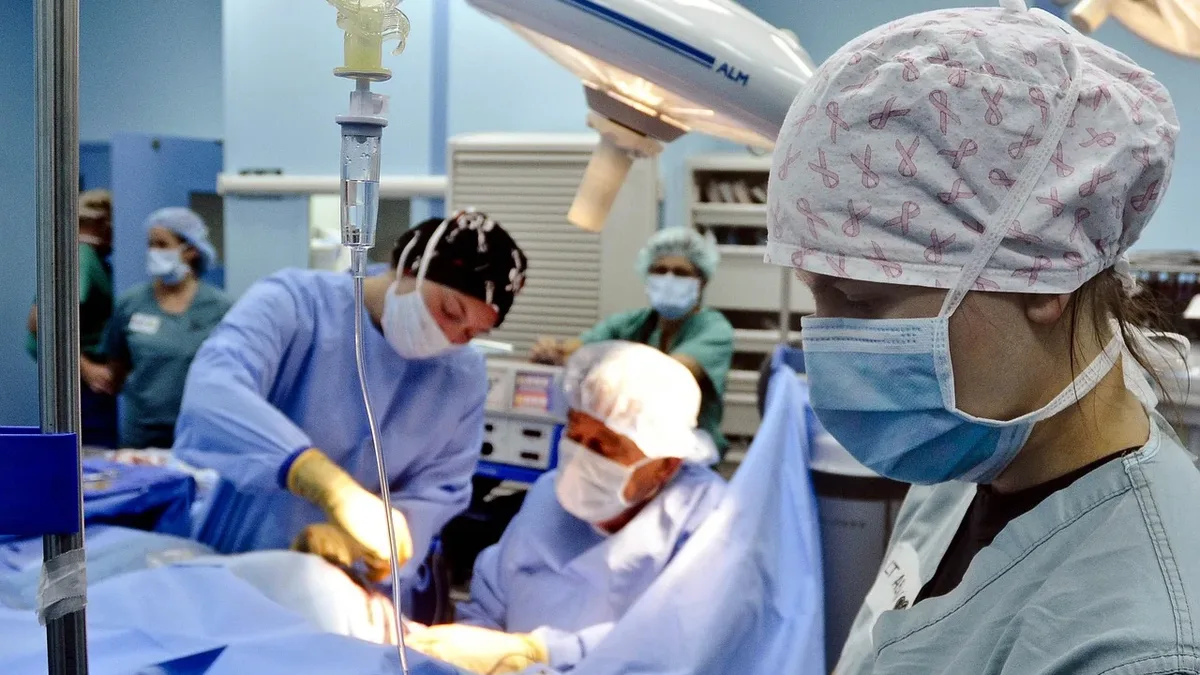
Use of the antibiotic azithromycin during unscheduled cesarean deliveries jumped from 2.2% to 39.6% after a key 2016 trial, according to a new analysis of over 1.6 million births. In the same period, postpartum infection rates for cesarean deliveries fell from 9.2% to 8%, a relative decrease of 20%.
The research analyzed data from the nationwide Epic Cosmos database between 2013 and 2024. It compared periods before and after the publication of the 2016 Cesarean Section Optimal Antibiotic Prophylaxis (C/SOAP) trial. That trial had shown adding azithromycin to standard antibiotics for unscheduled C-sections could slash infection risk by nearly half.
Infection Risk and Trial Impact
Post-cesarean infection rates typically range from 10% to 20%. Having an unscheduled procedure nearly doubles the infection risk compared to a scheduled one. The C/SOAP trial's dramatic findings prompted the American College of Obstetricians and Gynecologists (ACOG) to update its guidelines in 2018. The new guidance stated azithromycin should be "considered" for unscheduled cesarean deliveries.
This real-world study confirms the trial's benefits translate to clinical practice. "These data strengthen the case for more consistent implementation," wrote Dr. Alan Tita of the University of Alabama at Birmingham in an accompanying editorial. He and his co-authors argue the guidelines should move from "consideration" to "recommended use."
The Real-World Numbers
The analysis provides clear figures on changing practice and outcomes. The table below shows the shift in antibiotic use and infection rates before and after the influential trial.
| Metric | Period 1 (Jan 2013 - Sep 2016) | Period 2 (Jan 2017 - Dec 2024) |
|---|---|---|
| Azithromycin use in C-sections | 2.2% | 39.6% |
| Azithromycin use in vaginal births | 0.01% | 0.04% |
| Postpartum infection rate (C-sections) | 9.2% | 8.0% |
| Postpartum infection rate (vaginal births) | 2.0% | 2.7% |
Researchers reported a 20% relative decrease in infections for cesarean deliveries when accounting for trends. Lead author Dr. Taylor Freret and colleagues noted the significant scale of this effect. With over 300,000 unscheduled cesarean deliveries annually in the U.S., a 20% reduction could prevent about 6,000 infections each year.
A Push for Stronger Guidelines
Editorial authors emphasized the urgent need to prevent maternal morbidity and mortality. Infections remain a top cause of preventable maternal deaths. The risk of infection after a C-section is "many times higher" than after a vaginal birth, they noted.
Dr. Tita's editorial team concluded that the evidence is compelling. "Failure to implement this strategy represents a missed opportunity," they wrote. They call for future work to refine which patients benefit most and to monitor effects on antibiotic resistance.
Study Scope and Limitations
The research team examined 1,696,535 births of live singleton infants. The composite infection outcome included several serious conditions. After the C/SOAP trial publication, rates of endometriosis, sepsis, wound disruption, and wound infection fell significantly for cesarean deliveries. However, urinary tract infection rates rose slightly for both delivery methods.
The authors acknowledge limitations. They used vaginal births as a control group instead of scheduled cesarean births. Also, the database population tended to be older and have private insurance more often than the general U.S. Population. This means the findings may not fully represent all patient groups.
Preventing maternal illness remains a critical goal. This large-scale analysis provides strong support for a simple, potentially life-saving change in care for one of the most common surgical procedures.