Opportunistic Salpingectomy Offers Ovarian Cancer Prevention
Removing fallopian tubes during other abdominal surgeries can drastically cut ovarian cancer risk, but consent rules, insurance, and training gaps block
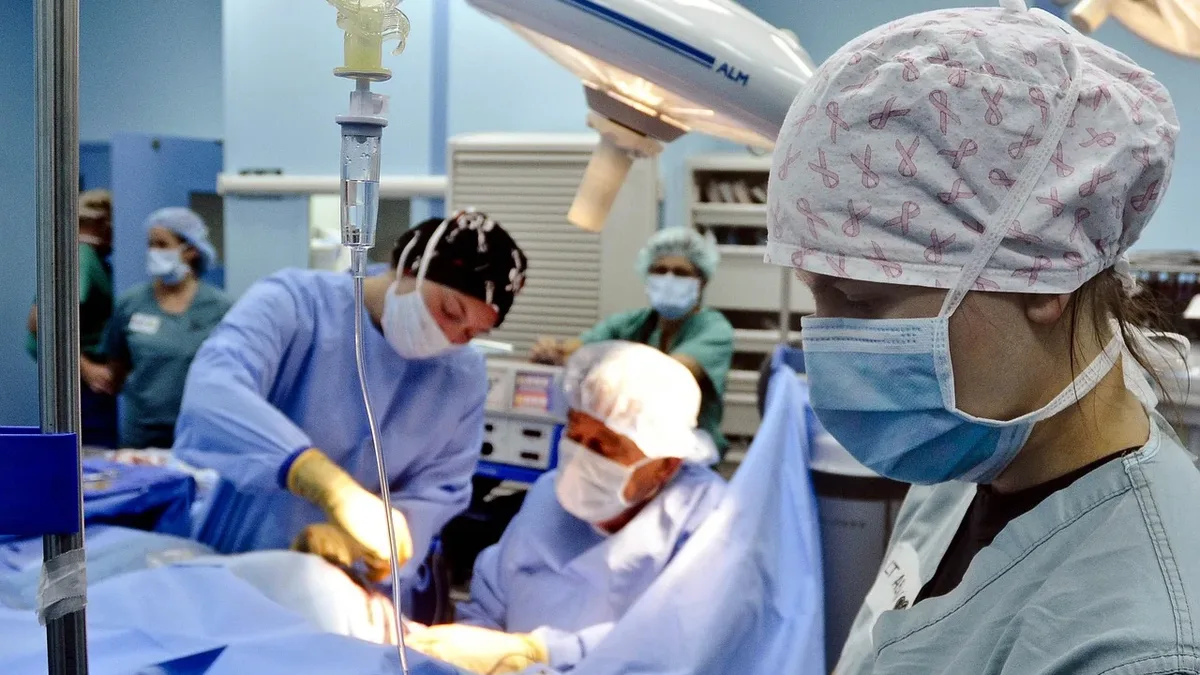
A new cancer prevention strategy is emerging from a shift in medical understanding. Many deadly ovarian cancers may actually begin in the fallopian tubes, and removing them can dramatically reduce future risk.
The American College of Obstetricians and Gynecologists now recommends that ob/gyns routinely remove fallopian tubes during hysterectomies. It also suggests non-ob/gyn surgeons consider the procedure, called opportunistic salpingectomy, for patients undergoing other abdominal surgeries. This involves removing both tubes while leaving the ovaries in place.
A study published this year found patients who had an opportunistic salpingectomy had nearly an 80% lower risk of serous ovarian cancer than patients who had a hysterectomy or tubal ligation. Another 2025 study found nearly one in four patients who later developed high-grade serous ovarian cancer had previously undergone an abdominal surgery where salpingectomy could potentially have been included.
Common Surgeries Present an Opportunity
These are common operations. The source lists several where the procedure could be added.
The American College of Surgeons reports that adding a salpingectomy adds just 5 to 13 minutes to some of these abdominal operations. The author, a general surgery resident, argues a patient scheduled for a gallbladder operation who has decided against future pregnancies should not need a separate surgery later for tube removal.
Significant Roadblocks Block Patient Access
Despite the potential, several major barriers prevent patients from choosing this prevention method. Federal Medicaid rules generally require at least 30 days between consent and a sterilization procedure, with limited exceptions. These rules were designed to prevent coercive sterilization but now create a conflict with opportunistic cancer prevention.
Payment is another issue. A new diagnosis code exists for prophylactic fallopian-tube removal, but insurance coverage has not necessarily followed. The author states access should not depend on which insurance card a patient carries.
Hospitals also lack systems to identify and counsel eligible patients before surgery. Preoperative clinics could fill this role with standardized educational materials. Training for general surgeons is another gap. The author notes that while the operation itself is not especially challenging, the surrounding counseling and consent processes are outside current general surgery training.
Building Systems for Responsible Implementation
Professional societies could develop joint curricula covering patient selection, counseling, and technique. Competency-based credentialing for surgeons who want to offer the procedure is needed. Research has already identified education and coordination between specialties as key facilitators.
The author emphasizes this should not become a reflexive add-on. "Consent must be informed and free of coercion," they state. The procedure permanently eliminates natural conception, so some patients will not be candidates and others will not want it. These are reasons for careful expansion, not for ignoring the opportunity. The harder work now is removing the roadblocks between this strategy and the patients who may want it.